Future-Proof Your Profits The Ultimate Guide to Import/Export Risk Mitigation

webmaster

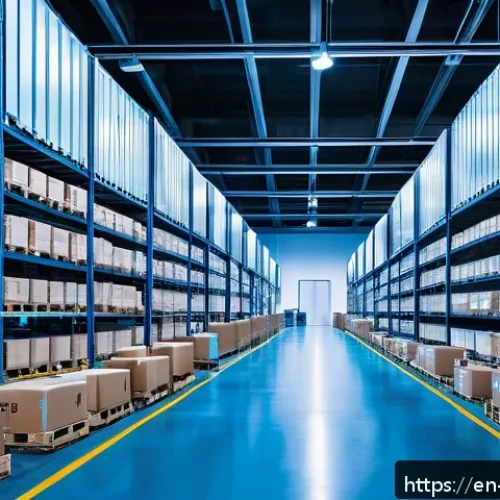
수출입 거래의 주요 리스크와 관리 - **Prompt Title: Global Resilience in Supply Chain Management**
    **Description:** A wide-angle, vi...

Hey everyone! Stepping into the global arena of import and export is genuinely thrilling, opening doors to incredible growth and worldwide connections.

But if you’re anything like me, you’ve probably felt that twinge of anxiety wondering what hidden risks might be lurking – I’ve certainly had my share of unexpected challenges, from sudden customs hold-ups to volatile market shifts.

Navigating international trade successfully means being prepared for anything, especially with today’s rapidly changing geopolitical and economic landscape.

Understanding these potential pitfalls isn’t just smart; it’s absolutely essential for protecting your hard-earned ventures. I’ve personally witnessed how a single misstep, whether it’s misinterpreting new trade regulations or underestimating supply chain vulnerabilities exacerbated by global events, can cascade into significant financial losses.

The world of global commerce is constantly evolving, with new digital threats, sustainability demands, and economic uncertainties emerging all the time.

That’s why having a robust risk management strategy isn’t just a good idea – it’s your ultimate safeguard. From securing your supply chains against unexpected disruptions to hedging against currency fluctuations and mastering compliance, there’s so much to unpack.

I’m here to share the tried-and-true strategies I’ve used myself and those I’ve seen top-tier businesses implement successfully. So, if you’re ready to transform potential threats into manageable challenges and secure your slice of the global pie, let’s confidently uncover these crucial strategies together!

Building a Bulletproof Supply Chain: Anticipating the Unseen

수출입 거래의 주요 리스크와 관리 - **Prompt Title: Global Resilience in Supply Chain Management**
    **Description:** A wide-angle, vi...

When you’re deeply entrenched in the world of import and export, one thing becomes crystal clear: your supply chain isn’t just a logistical pathway; it’s the very heartbeat of your operation.

I’ve personally experienced the stomach-churning anxiety of a shipment stuck indefinitely, not because of a bad actor, but due to an unexpected port strike or a sudden natural disaster thousands of miles away.

It’s a stark reminder that while we plan for the knowns, it’s often the unknowns that truly test our mettle. Building resilience into your supply chain goes far beyond simply finding the cheapest carrier; it’s about foresight, flexibility, and forging robust relationships.

You need to think about every single link, from raw material sourcing all the way to last-mile delivery. What if your key manufacturing plant in Asia is hit by a typhoon?

Or a critical component supplier in Europe suddenly faces labor unrest? These aren’t just hypothetical scenarios; they’re real-world challenges that I’ve seen cripple businesses who weren’t prepared.

Diversifying your suppliers, implementing real-time tracking, and even exploring near-shoring options aren’t luxuries anymore; they’re strategic necessities.

For me, the peace of mind that comes from knowing I have multiple contingencies in place is absolutely invaluable, even if it means a slightly higher initial investment.

It’s an investment in uninterrupted operations and, ultimately, in your reputation. You simply can’t afford to put all your eggs in one geographical basket in today’s volatile global economy.

Diversifying Your Supplier Network Beyond Borders

I can’t stress this enough: relying on a single supplier, no matter how reliable they seem, is like building your house on quicksand. I learned this the hard way years ago when a single-source component for a high-demand product faced production delays due to unforeseen political instability in the region.

My inventory dried up, customers were furious, and I watched sales plummet. It was a painful, but vital, lesson. Now, I make it a point to actively cultivate relationships with multiple suppliers across different geographies.

This isn’t just about having a backup; it’s about leveraging diverse expertise, mitigating geopolitical risks, and even fostering healthy competition that can lead to better terms and innovation.

Think about spreading your risk: if one region experiences a blackout or a trade dispute, you have other avenues to pursue. It requires more initial effort in vetting and onboarding, sure, but the resilience it brings to your operations is worth every single minute.

It’s about proactive risk mitigation, not reactive damage control.

Leveraging Technology for End-to-End Visibility

In the old days, tracking a shipment felt like peering into a black hole; you’d send it off and just hope it arrived. But now, with incredible advancements in logistics technology, that’s simply no longer an excuse.

Implementing robust supply chain management software that offers end-to-end visibility has been a game-changer for me. I’m talking about real-time data on inventory levels, transit routes, customs clearances, and potential delays.

When I can see exactly where every single item is, from the moment it leaves the factory floor to the moment it hits my warehouse, I can anticipate issues before they become crises.

This transparency empowers you to make informed decisions quickly, communicate proactively with your customers, and even reroute shipments if necessary.

It’s not just about tracking; it’s about prediction and optimization. I’ve found that having this level of insight has dramatically reduced my lead times and allowed me to respond to market changes with agility that simply wasn’t possible before.

Navigating the Labyrinth of Global Regulations and Compliance

If there’s one area of international trade that consistently keeps me on my toes, it’s the ever-changing landscape of regulatory compliance and customs procedures.

It’s not just about filling out forms; it’s about understanding the nuances of trade agreements, tariffs, quotas, and product-specific regulations that can vary wildly from one country to the next, sometimes even within different regions of the same country.

I’ve personally seen businesses get hit with massive fines and their goods held indefinitely at borders simply because they misinterpreted a single clause in a new trade agreement or overlooked a specific labeling requirement.

It’s a high-stakes game where ignorance is definitely not bliss. The global trade environment is a dynamic beast, constantly reshaped by geopolitical shifts, new environmental mandates, and evolving national security concerns.

Staying compliant isn’t a one-time task; it’s an ongoing commitment to continuous learning and adaptation. Failing to do so can lead to not only financial penalties but also significant reputational damage, which, in my experience, can be far more costly in the long run.

My advice? Treat compliance as an investment, not an unavoidable cost.

Understanding Evolving Trade Agreements and Tariffs

The ink is barely dry on one trade agreement before another one starts being negotiated or an existing one is amended. Keeping up with these changes feels like a full-time job in itself, but it’s absolutely crucial.

I remember a time when a sudden tariff hike on a specific raw material completely upended my cost structure overnight. I was caught off guard because I hadn’t been tracking the political discussions leading up to it.

Since then, I’ve made it a priority to subscribe to trade news alerts, consult with international trade lawyers, and even join industry associations that provide updates.

Understanding things like free trade agreements (FTAs), preferential tariffs, and rules of origin can literally save you thousands, if not tens of thousands, of dollars on duties.

Conversely, misunderstanding them can land you in serious trouble. It’s about more than just reading the headlines; it’s about diving into the specifics and understanding how they directly impact your specific goods and markets.

Mastering Customs Procedures and Documentation

Oh, the joy of customs! If you’ve been in this game long enough, you’ve probably got a story or two about a shipment held up for an obscure reason. For me, it was a perfectly good product delayed for weeks because of a tiny, overlooked detail on the commercial invoice.

It was maddening, but a valuable lesson. Accurate and complete documentation is your best friend when dealing with customs. This includes everything from commercial invoices, packing lists, and bills of lading to certificates of origin and product-specific permits.

Each country has its own idiosyncrasies, and what’s perfectly acceptable in one might be a red flag in another. My personal strategy is to work very closely with experienced customs brokers who specialize in the target markets.

Their expertise is invaluable, helping to preempt issues and ensuring smooth clearances. They understand the local language, the unwritten rules, and how to navigate bureaucratic hurdles efficiently.

Trust me, spending a little extra on a good broker is far cheaper than paying for demurrage charges and lost sales due to customs delays.

Advertisement

Hedging Against Financial Volatility: Currency and Credit Risks

When you’re dealing with international transactions, you’re not just trading goods; you’re also trading currencies, and that brings a whole new layer of risk into play.

I’ve personally seen profit margins erode overnight simply because of an unfavorable swing in exchange rates. It’s a brutal reminder that financial volatility isn’t some abstract economic concept; it directly impacts your bottom line.

Beyond currency fluctuations, there’s also the very real threat of credit risk – the possibility that your international buyer simply won’t pay. In the global arena, recovering debts can be significantly more complex and costly than it is domestically.

Navigating these financial minefields requires a proactive and multifaceted approach. It’s about protecting your cash flow, ensuring you get paid, and minimizing exposure to unpredictable market movements.

I’ve learned that ignoring these risks is akin to gambling with your business’s financial health, and that’s a bet I’m simply not willing to take.

Strategies for Managing Currency Fluctuations

I used to think that currency fluctuations were just something you had to live with, a roll of the dice in global trade. But then I started exploring hedging strategies, and it was a revelation.

Forward contracts, for instance, allow you to lock in an exchange rate for a future transaction, giving you certainty about your costs or revenues. I’ve used these extensively to protect my profit margins when making large purchases or sales in foreign currencies.

Options are another tool, offering flexibility but with a premium. Even something as simple as invoicing in your home currency, or diversifying the currencies you deal in, can help.

The key is to not leave it to chance. I always recommend consulting with a financial advisor who specializes in foreign exchange risk management. They can help you understand the various instruments available and craft a strategy that aligns with your specific risk appetite and business model.

It’s about turning uncertainty into a managed variable.

Mitigating International Credit and Payment Risks

Getting paid is fundamental to any business, but when your buyer is halfway across the world, things can get tricky. I’ve had experiences where due diligence felt thorough, only for payment issues to arise months later due to unexpected economic downturns or even outright fraud in the buyer’s market.

That’s why I’ve become a big proponent of robust credit risk management. This involves everything from thoroughly vetting potential buyers – checking their financial standing, reputation, and credit history through international agencies – to utilizing secure payment methods.

Instruments like letters of credit (LCs) offer a strong layer of protection, as they guarantee payment from a bank once certain conditions are met. Export credit insurance is another fantastic tool; it protects you against commercial and political risks that might prevent you from getting paid.

Don’t shy away from asking for upfront payments or significant deposits, especially with new clients. Protecting your receivables is paramount.

Protecting Your Innovations: Safeguarding Intellectual Property Globally

When you’ve poured your heart, soul, and considerable resources into developing unique products, brands, or processes, the last thing you want is for someone halfway across the globe to copy them with impunity.

Yet, intellectual property (IP) infringement is a pervasive and growing risk in international trade. I’ve personally encountered situations where counterfeit versions of products I’ve worked so hard on suddenly appear on foreign markets, diluting my brand and siphoning off sales.

It’s not just about losing money; it’s about the erosion of trust, reputation, and the fundamental value you’ve created. Protecting your intellectual property across borders is a complex endeavor, fraught with varying legal systems and enforcement challenges, but it’s absolutely non-negotiable for anyone serious about global expansion.

Ignoring IP protection is like leaving your most valuable assets unsecured in a bustling marketplace – a recipe for disaster.

Registering and Enforcing IP in Key Markets

One of the biggest mistakes I see businesses make is assuming that their domestic IP registrations automatically protect them worldwide. They don’t. Each country has its own system for patents, trademarks, and copyrights.

My personal experience has taught me that early and strategic registration in your key export markets is absolutely critical. It’s not cheap, and it’s often a bureaucratic maze, but having those legal protections in place gives you leverage.

If someone infringes, you have legal recourse. Without it, you’re often left with little more than a polite request that might be completely ignored. Furthermore, enforcement is just as important as registration.

I work closely with international legal counsel who understand the local IP laws and can help monitor markets for infringement and take swift action when necessary.

Being proactive here saves you immense headaches and financial losses down the line.

Combating Counterfeiting and Piracy

Counterfeiting and piracy are not just annoying; they are a direct attack on your brand and your revenue streams. I recall a period when a cheap, inferior knock-off of one of my popular items started appearing online, confusing customers and damaging my brand’s perceived quality.

It took a concerted effort to identify the source and get the infringing listings removed. To combat this, you need a multi-pronged approach. This includes not only legal action but also active monitoring of online marketplaces and physical markets, engaging with customs authorities to intercept fake goods, and educating your customers on how to identify genuine products.

Technology can also play a role, with some companies embedding anti-counterfeiting measures like holograms or unique serial codes. It’s an ongoing battle, but one that you must fight vigorously to maintain your brand integrity and market share.

Advertisement

Embracing Digital Defenses: Cybersecurity in International Commerce

수출입 거래의 주요 리스크와 관리 - **Prompt Title: Mastering International Trade Compliance and Customs**
    **Description:** An intri...

In our increasingly interconnected world, where every transaction, communication, and logistical detail often traverses digital networks, the threat of cyberattacks in import and export is not just theoretical; it’s a stark reality.

I’ve personally experienced the unsettling feeling of a data breach attempt, knowing that sensitive client information or proprietary business strategies could be compromised.

It’s a constant, evolving battle against malicious actors who are becoming increasingly sophisticated. A successful cyberattack can lead to devastating consequences: financial losses, reputational damage, operational disruptions, and severe legal liabilities, especially under stringent data protection regulations like GDPR or CCPA.

For businesses operating globally, this threat is amplified by the sheer volume of digital exchanges and the varying cybersecurity standards and legal frameworks across different jurisdictions.

Simply put, robust cybersecurity isn’t an IT department’s problem; it’s a fundamental business imperative for anyone engaged in international trade. You can’t afford to be complacent.

Securing Your Digital Infrastructure and Data

When I first started out, cybersecurity felt like a mysterious, technical dark art. Now, I view it as an essential layer of protection for my entire operation.

Securing your digital infrastructure means implementing strong firewalls, using encryption for sensitive data, ensuring all software is regularly updated with the latest security patches, and employing multi-factor authentication for all access points.

But it’s not just about the technical tools; it’s about fostering a security-aware culture within your team. I regularly conduct training sessions for my employees on identifying phishing attempts and practicing safe browsing habits, because human error is often the weakest link.

Remember, a breach can originate from a simple infected email. For me, investing in a robust cybersecurity platform and consulting with IT security experts is no longer optional; it’s a critical part of my business strategy to safeguard against digital threats.

Protecting Against Supply Chain Cyberattacks

Cyber threats don’t just target your internal systems; they can also exploit vulnerabilities in your broader supply chain. I’ve heard chilling stories of hackers infiltrating a freight forwarder’s system to redirect shipments or altering invoices sent from a supplier to redirect payments.

This type of attack highlights the interconnectedness of our digital world and the need for a holistic approach to security. It means thoroughly vetting the cybersecurity practices of all your third-party partners – from logistics providers and customs brokers to banking institutions and cloud service providers.

I make sure to include cybersecurity clauses in all my contracts with partners, clearly outlining expectations and responsibilities. Regular security audits of third-party systems, where feasible, and establishing secure communication channels are also crucial.

It’s about building a collective defense, understanding that your security is only as strong as your weakest link in the digital chain.

The Human Element: Ethical Sourcing and Labor Practices

As an influencer in the import-export space, I’ve come to realize that the responsibilities of global trade extend far beyond profit margins and logistical efficiency.

There’s a profound human element involved, particularly when it comes to ethical sourcing and labor practices. I’ve personally had to grapple with the complexities of ensuring that the products I bring to market are not only high-quality but also produced under fair and humane conditions.

The reputational fallout from even a whiff of unethical labor practices in your supply chain can be catastrophic, leading to consumer boycotts, negative media coverage, and a significant loss of trust.

In today’s socially conscious marketplace, consumers, investors, and regulators are increasingly scrutinizing the ethical footprint of businesses. Navigating this means moving beyond mere compliance with local laws and actively championing responsible practices throughout your entire supply chain.

It’s about building a business that not only thrives financially but also contributes positively to the global community.

Ensuring Fair Labor Standards in Your Supply Chain

This is an area where I truly believe actions speak louder than words. Simply stating you support fair labor isn’t enough; you need to demonstrate it.

This means conducting thorough due diligence on all your manufacturing partners, especially those in developing countries. I make it a point to understand their labor policies, working conditions, and adherence to international labor standards.

This can involve on-site audits, engaging third-party certification bodies, and sometimes, even unexpected visits. It’s about ensuring fair wages, safe working environments, reasonable working hours, and absolutely no child or forced labor.

I’ve learned that building long-term relationships with suppliers who share these values is key. It’s not always easy, and sometimes it might mean saying no to a cheaper option, but the peace of mind and the integrity it brings to your brand are absolutely invaluable.

Promoting Sustainable and Environmentally Responsible Sourcing

Beyond labor, the environmental impact of your supply chain is another critical consideration. Consumers are increasingly demanding products that are not only ethically produced but also environmentally sustainable.

I’ve found that actively seeking out suppliers who employ sustainable manufacturing processes, minimize waste, use renewable energy, or source eco-friendly materials resonates deeply with my audience and strengthens my brand.

This can involve reducing your carbon footprint through optimized logistics, choosing packaging materials that are recyclable or biodegradable, or ensuring that raw materials are harvested responsibly.

It’s not just a trend; it’s a fundamental shift in consumer values. Embracing sustainable practices isn’t just good for the planet; it’s good for business, enhancing your brand appeal and potentially opening up new market segments.

It’s about being a responsible global citizen.

Advertisement

Crafting a Resilient Risk Management Framework for Tomorrow’s Challenges

The world of import and export is a perpetual motion machine, constantly evolving with new technologies, shifting political landscapes, and emergent global threats.

Simply reacting to problems as they arise is a surefire way to fall behind and suffer significant losses. What I’ve found absolutely critical for sustained success is not just understanding individual risks, but integrating that understanding into a comprehensive, proactive risk management framework.

This isn’t a static document you create once and forget; it’s a living, breathing strategy that you continually review, adapt, and refine. It requires a holistic view of your operations, from initial sourcing to final delivery, and an honest assessment of both your vulnerabilities and your capabilities.

In my experience, the businesses that truly thrive in this complex environment are those that embed risk management into their core strategic planning, making it an integral part of every decision they make.

It’s about building an organization that isn’t just prepared for today’s challenges but is also agile enough to confidently navigate whatever tomorrow brings.

Developing a Comprehensive Risk Assessment Matrix

Before you can manage risks, you have to know what they are and how severe they could be. This is where a detailed risk assessment matrix becomes your best friend.

I’ve personally used these to systematically identify potential risks across all facets of my import-export operations – from geopolitical instability and natural disasters to currency fluctuations and cybersecurity threats.

For each identified risk, you need to assess its likelihood and its potential impact. Is it a high-likelihood, high-impact event like a major port strike in a critical shipping hub, or a low-likelihood, moderate-impact event like a minor administrative delay?

Once you’ve mapped these out, you can prioritize which risks require immediate attention and which can be monitored. This exercise not only clarifies your risk landscape but also helps you allocate resources effectively, ensuring you’re focusing on the threats that truly matter.

Implementing Business Continuity and Disaster Recovery Plans

No matter how well you plan, unexpected disruptions will happen. It’s not a matter of if, but when. That’s why having robust business continuity and disaster recovery plans in place is non-negotiable for me.

These plans aren’t just for IT failures; they encompass everything from a major supply chain disruption to a sudden regulatory change that impacts your ability to operate.

What’s your backup plan if your primary supplier can’t deliver? How will you maintain communication with clients if your offices are inaccessible? What are the immediate steps if a critical shipment is lost or damaged?

I always recommend creating detailed, actionable playbooks for various scenarios, outlining roles, responsibilities, and alternative strategies. Regular testing and updating of these plans are also crucial; what worked last year might be obsolete this year.

The goal is to minimize downtime, reduce financial losses, and ensure your business can quickly bounce back from any major setback.

Key Import/Export Risks Potential Impact Mitigation Strategies
Supply Chain Disruptions Production delays, lost sales, increased costs, reputational damage Supplier diversification, real-time tracking, inventory buffers, near-shoring options
Regulatory & Compliance Changes Fines, customs delays, confiscated goods, legal issues Engage customs brokers, continuous monitoring of trade agreements, legal counsel
Currency Fluctuations Reduced profit margins, unpredictable costs/revenues Hedging (forward contracts), invoicing in stable currencies, financial advisory
Credit Risk (Non-payment) Cash flow issues, bad debt, legal recovery costs Letters of credit (LCs), export credit insurance, thorough buyer vetting, upfront payments
Intellectual Property Infringement Loss of market share, brand dilution, reduced revenue, legal costs Global IP registration, market monitoring, legal enforcement, anti-counterfeiting tech
Cybersecurity Threats Data breaches, financial fraud, operational disruption, reputational damage Robust IT security, employee training, partner cybersecurity vetting, data encryption
Ethical Sourcing & Labor Issues Consumer boycotts, reputational damage, legal scrutiny Supplier audits, third-party certifications, sustainable practices, transparent reporting

Wrapping Things Up

Whew, that was quite a journey, wasn’t it? Diving deep into the intricate world of import and export risks really brings home just how dynamic and, honestly, exhilarating this field can be. I’ve spent years navigating these waters, and I can tell you, the lessons I’ve shared today – about building a flexible supply chain, understanding the ever-shifting sands of global regulations, safeguarding your finances and innovations, and never forgetting the crucial human element – aren’t just theoretical concepts. They are hard-won wisdom from countless real-world scenarios, triumphs, and yes, a few challenging moments that made me rethink everything. It’s about more than just keeping your head above water; it’s about anticipating the waves, learning to surf them, and emerging stronger on the other side. My hope is that by sharing these insights, you feel a little more prepared, a little more confident, and definitely more empowered to tackle whatever the global marketplace throws your way. Remember, knowledge isn’t just power; it’s your most valuable asset in international trade.

Advertisement

Useful Information to Know

1. Keep an eye on AI integration: Artificial Intelligence is rapidly transforming global trade, from predictive analytics for tariff changes to automated customs clearance and risk assessments. Tools leveraging AI can help you predict market trends, optimize routes, and streamline complex documentation, significantly reducing delays and costs.

2. Embrace localization and near-shoring: Geopolitical instability and rising transportation costs are making businesses reconsider their global footprint. Exploring regionalization and near-shoring options can reduce dependency on distant suppliers and lower logistical expenses, offering a more stable and resilient supply chain.

3. Prioritize ESG for competitive advantage: Environmental, Social, and Governance (ESG) factors are no longer just about compliance; they are becoming competitive differentiators. Companies focusing on sustainable practices, fair labor, and transparency in their supply chains are building stronger brands and meeting increasing consumer and regulatory demands.

4. Leverage digital platforms for compliance: The future of trade compliance is increasingly digital. Utilizing platforms for real-time shipment tracking, automated documentation submission, and monitoring regulatory changes across different nations can enhance efficiency and accuracy, helping you stay ahead of complex global rules.

5. Continuous training is key: In this fast-evolving landscape, investing in your team’s knowledge of international trade practices, compliance requirements, and risk management strategies is paramount. Well-versed employees are better equipped to handle challenges, adapt to changes, and contribute to the overall resilience of your operations.

Key Takeaways

Building a truly bulletproof import-export operation in today’s unpredictable world isn’t about avoiding risk entirely – that’s simply impossible. Instead, it’s about strategically understanding, anticipating, and mitigating those risks with a proactive, multi-layered approach. I’ve seen firsthand how a well-diversified supplier network can save your business from a crisis, or how a solid grasp of evolving trade agreements can turn potential penalties into savings. Remember that technology, especially AI, is your friend in this journey, offering unparalleled visibility and predictive power that we could only dream of a decade ago. But never, ever forget the human element: the ethical choices you make, the fair treatment you champion, and the relationships you nurture throughout your supply chain are not just morally right, they are fundamental to your long-term success and reputation. By embedding a dynamic risk management framework into every fiber of your business, you’re not just protecting your bottom line; you’re building a sustainable, trustworthy, and incredibly resilient enterprise ready for whatever the future holds.

Frequently Asked Questions (FAQ) 📖

Q: What are the most common risks I should really be worried about when importing or exporting, and how can I spot them early?

A: From what I’ve personally experienced and observed across countless businesses, the global trade landscape is a bit of a minefield, but knowing where the traps are is half the battle!
The big hitters you absolutely need to keep an eye on are supply chain disruptions, fluctuating currency exchange rates, and the ever-present challenge of regulatory compliance.
Supply chain disruptions are huge – think unexpected natural disasters, geopolitical tensions causing trade route blockages, or even just a major port backlog.
These can suddenly halt your shipments, inflate costs, or even prevent your goods from reaching their destination entirely. I’ve seen businesses thrown into disarray because they didn’t have a backup plan for their key supplier.
To spot these early, you need to build strong relationships with your suppliers and logistics partners, ensuring clear communication channels. Regularly review global news for geopolitical shifts or weather warnings that could impact your routes.
You can also leverage technology for real-time tracking and supply chain visibility, which is a game-changer for early detection. Then there’s currency risk.
Oh, the headaches this one can cause! When you’re dealing with international payments, the value of currencies can shift rapidly, sometimes between when you finalize a deal and when payment is made.
If your local currency strengthens, your exported goods become more expensive for foreign buyers, potentially shrinking demand. Conversely, if it weakens, you might receive less value when converting foreign currency revenue back home.
I’ve found that simply staying updated on global economic forecasts and using specialized financial tools can give you a heads-up. Finally, regulatory and legal compliance is a constant beast.
Rules, tariffs, and customs processes are always changing across different countries, and honestly, it can feel like trying to hit a moving target. Misclassifying goods, missing documentation, or simply not knowing about a new sanction can lead to hefty fines, delays, or even seizures.
My advice? Don’t just rely on outdated information. Proactive monitoring of trade regulations, conducting thorough risk assessments, and perhaps even engaging a compliance expert can help you navigate this intricate maze.
I’ve seen how staying on top of these changes can literally save a business from devastating penalties.

Q: Currency fluctuations feel like such an unpredictable beast. What tried-and-true strategies can I use to truly protect my profits from them?

A: You’re absolutely right, currency fluctuations can feel like a roll of the dice, and I’ve certainly had my moments holding my breath hoping the rates would stay favorable!
But believe me, there are some incredibly effective strategies to “lock in” those rates and protect your hard-earned profits. It’s all about hedging your bets, quite literally.
One of the most common and, frankly, reassuring methods I’ve used and seen success with is a forward contract. Imagine you agree today to exchange a specific amount of currency at a predetermined rate on a future date.
You’re essentially locking in that exchange rate, so no matter how wildly the market moves between now and then, you know exactly how much you’ll pay or receive.
For an importer like me, if I know I need to pay a supplier in Euros in six months, I can use a forward contract to set the USD/EUR rate today. It brings such peace of mind knowing my costs won’t suddenly skyrocket!
Another smart move, especially for smaller, ongoing transactions, is natural hedging. This is where you try to balance your foreign currency inflows and outflows.
For instance, if you’re exporting goods to Europe and receiving Euros, consider if you can also source some of your raw materials or operational expenses from Europe, effectively paying in Euros.
It’s like creating your own little currency ecosystem where your incoming and outgoing foreign currency naturally offset each other, reducing the need for constant conversions and minimizing exposure to those daily rate swings.
It’s a low-cost, elegant solution. And let’s not forget about currency options. These give you the right, but not the obligation, to exchange currency at a specific rate on or before a future date.
It’s a bit like insurance – you pay a premium, and if the market moves against you, you can exercise your option. If it moves in your favor, you can just let the option expire and benefit from the better market rate.
This offers fantastic flexibility, which is invaluable when you’re dealing with less predictable sales or payment schedules. While there’s no magic bullet to eliminate all risk, consistently applying these hedging strategies can significantly reduce your vulnerability to currency volatility.
I’ve seen it make a world of difference in maintaining profit margins and providing stability in an otherwise turbulent environment.

Q: My business is an SME. Do global trade risks apply differently to us, and what specific advice do you have for smaller companies with limited resources?

A: That’s a fantastic question, and one I hear a lot from fellow entrepreneurs! As an SME, you might feel like you’re playing in the big leagues without all the big league resources, and you’re right, global trade risks do hit differently.
Large corporations often have dedicated departments and deep pockets for risk management, but for us, every dollar and every decision counts. However, don’t let that deter you – SMEs are often more nimble and adaptable, which can be a huge advantage if leveraged correctly!
The core risks—supply chain issues, currency woes, and compliance headaches—are still very much present, but their impact can be magnified for a smaller operation.
A single shipment delay or a hefty fine could genuinely jeopardize your entire business in a way it might not for a multi-national giant. So, what’s my tried-and-true advice for us smaller players?
First, focus on robust risk assessment and prioritization. Since you can’t tackle everything, you need to be smart about what poses the biggest threat.
I’ve found that sitting down and honestly evaluating potential risks based on their likelihood and potential impact on your specific business is crucial.
Use simple tools like a risk matrix to prioritize what needs immediate attention versus what you can monitor. This helps you allocate your limited resources where they matter most.
Second, diversify, diversify, diversify! This is huge. Relying on a single supplier or customer, or even a single shipping route, creates immense vulnerability.
If that one link breaks, your whole chain collapses. I’ve personally made it a point to cultivate relationships with multiple suppliers for critical components and explore selling to customers in various markets.
It might seem like more work upfront, but believe me, having those backup options has saved me more than once when unexpected disruptions hit. Third, leverage technology and partnerships.
You don’t need a huge in-house team to stay compliant or monitor your supply chain. Many affordable digital tools and platforms are available for SMEs that can help with compliance monitoring, supply chain visibility, and even managing foreign exchange.
And don’t underestimate the power of external advisors or specialized import/export brokers; they can be invaluable for navigating complex regulations without needing to hire a full-time expert.
Think of them as extensions of your team without the full-time overhead. Finally, build strong, transparent relationships. Especially as an SME, your reputation and trust with partners are gold.
Clear communication and honesty, even about potential issues, foster stronger, more resilient partnerships. I’ve learned that partners are far more willing to work with you through a hiccup if you’ve built a foundation of trust.
They might even offer more favorable terms down the line. It’s not just about transactions; it’s about building a community of reliable partners. While the playing field might look uneven, with smart, proactive strategies, SMEs can absolutely thrive in the global trade arena.
It’s all about being strategic, adaptable, and a little bit creative with your resources!

Advertisement