The AI Advantage: 5 Ways to Transform Your Trade Business Now

webmaster

무역업계 최신 AI 기술 활용 - **Prompt:** A sprawling, highly advanced global logistics hub at twilight. Autonomous cargo drones f...

Wow, the world of trade moves at lightning speed these days, doesn’t it? It feels like just yesterday we were talking about digitizing documents, and now, artificial intelligence is completely redefining what’s possible.

As someone who lives and breathes global commerce, I’ve personally seen how the latest AI breakthroughs aren’t just incremental improvements; they’re truly transformative, changing everything from how we manage complex supply chains to making smarter, faster decisions on market entry.

Forget the sci-fi movies; we’re talking about real-world tools that can predict demand with uncanny accuracy, optimize shipping routes to save a fortune, and even flag potential risks before they become major headaches.

From my own experience, integrating even simple AI solutions has felt like adding a whole team of hyper-efficient assistants, slashing administrative burden and freeing up valuable time to focus on growth and innovation.

The World Trade Organization even estimates that AI could boost global trade by nearly 40% by 2040 – that’s a staggering figure that really underscores the massive shift underway.

It’s not just about automating repetitive tasks anymore; it’s about gaining unparalleled insights into consumer behavior and market trends, giving businesses a real competitive edge.

Navigating this new frontier can seem daunting, but it’s packed with incredible opportunities for businesses of all sizes, making global markets more accessible than ever.

Ready to uncover how these cutting-edge AI technologies can revolutionize your trade operations? Let’s dive into the details below!

Smarter Supply Chains: AI at the Helm of Efficiency

무역업계 최신 AI 기술 활용 - **Prompt:** A sprawling, highly advanced global logistics hub at twilight. Autonomous cargo drones f...

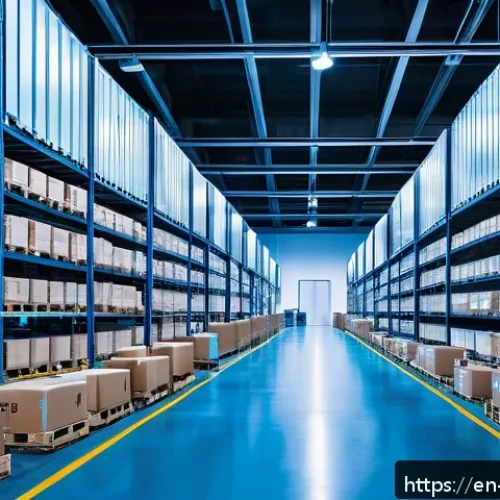
Okay, so let’s talk about the backbone of global trade: the supply chain. If you’ve ever dealt with international shipping or manufacturing, you know it’s a tangled web of logistics, inventory, and a whole lot of moving parts. Frankly, it used to be a massive headache, riddled with manual errors and unexpected delays. But guess what? AI is genuinely stepping in as the ultimate supply chain guru, turning what was once a chaotic process into a symphony of precision and predictability. From what I’ve personally observed, integrating AI here isn’t just about making things a little faster; it’s about fundamentally rethinking how goods move from concept to consumer. Companies are now using AI to analyze mountains of data in real-time, giving them incredible visibility and control over their entire network. This means everything from predicting exactly when a shipment will arrive, to rerouting trucks to avoid unexpected traffic, saving both time and a significant chunk of change. It’s like having a crystal ball for your logistics, and it feels absolutely revolutionary.

Predicting Demand and Optimizing Inventory

One of the coolest things AI does is predict demand with uncanny accuracy. Think about it: traditional forecasting was often a shot in the dark, leading to either costly overstocking or frustrating stockouts. Now, AI algorithms gobble up historical sales data, current market trends, even external factors like weather patterns or social media buzz, to give businesses a much clearer picture of what consumers will want, and when. It’s truly transformative. I’ve seen businesses drastically reduce their excess inventory, freeing up capital and warehouse space, all while ensuring shelves are stocked with exactly what customers are looking for. Walmart, for instance, famously uses AI to analyze sales patterns and optimize inventory, getting fresh food to shoppers faster and reducing stockouts. This precision doesn’t just save money; it seriously boosts customer satisfaction, which, as we all know, is gold.

Streamlining Logistics and Route Planning

And let’s not forget the sheer magic AI brings to logistics and transportation. Remember those days of endless spreadsheets and phone calls trying to figure out the best shipping route? Those are quickly becoming a relic of the past. AI-driven systems now analyze real-time traffic, weather conditions, fuel costs, and even vehicle maintenance schedules to find the most efficient and cost-effective paths for goods. UPS, for example, leverages AI through its ORION system to optimize delivery routes, which has led to significant reductions in fuel consumption and carbon emissions. It’s not just about getting packages to your door quicker; it’s about making the entire transportation network smarter, greener, and far more reliable. From my experience, seeing these systems in action feels like watching a master chess player, always several moves ahead, ensuring everything flows smoothly and efficiently. DHL also uses AI for predictive vehicle maintenance, cutting maintenance costs by 10% and downtime by 15%. This proactive approach keeps goods moving and avoids those frustrating, unexpected breakdowns.

Revolutionizing Trade Finance and Risk Management

Trade finance used to be this really complex, almost archaic part of global commerce, bogged down by heaps of paperwork and a slow, manual approach to assessing risks. Seriously, the number of forms alone was enough to make your head spin! But AI is completely shaking things up, making it faster, more accurate, and much less prone to those human errors that used to cause so many headaches. From where I stand, this is a game-changer for businesses of all sizes, especially smaller ones that often struggled to get access to financing through traditional means. AI is essentially bringing trade finance into the 21st century, opening doors that were once firmly shut. It’s creating a more level playing field and accelerating transactions in ways we could only dream of before. The shift is truly palpable, offering a blend of speed and security that’s been missing for too long.

Automating Document Processing and Compliance

One of the biggest time-sucks in trade finance has always been the sheer volume of documentation. Letters of credit, bills of lading, customs declarations – it’s an endless paper trail. This is where AI really shines. It can automate document verification, processing forms and compliance checks at lightning speed, drastically cutting down on processing times and minimizing errors. I’ve seen some solutions that can reduce cycle times by up to 80%! This isn’t just about efficiency; it’s about reducing the operational risks that come with manual handling. AI can even use Optical Character Recognition (OCR) to convert paper documents into digital text, making them instantly processable and auditable. This means faster approvals, fewer delays, and less stress for everyone involved. It’s like having a super-powered administrative assistant who never gets tired and never makes a typo!

Enhanced Fraud Detection and Credit Risk Assessment

Now, let’s talk about risk – a constant worry in trade. AI is seriously bolstering our defenses against fraud and making credit risk assessments far more robust. By analyzing vast datasets, including non-traditional data like supply chain stability and payment records, AI can identify suspicious patterns and predict potential defaults with impressive accuracy. This proactive approach helps financial institutions make much more informed lending decisions, even assisting small businesses that might not have extensive credit histories. I’ve personally seen how AI-powered systems can detect anomalies in transactions in real-time, flagging potential fraud before it becomes a major problem. This kind of insight is invaluable in protecting against losses and maintaining trust in the global trading system. It’s like having an incredibly vigilant watchdog, constantly scanning for threats.

Predictive Analytics: Anticipating Market Shifts

If you’re in global trade, you know how incredibly volatile markets can be. Geopolitical shifts, economic policy changes, sudden swings in consumer behavior – it feels like you’re constantly trying to guess what’s next. Honestly, it used to keep me up at night! But with AI-powered predictive analytics, it feels like we’re finally getting a leg up. This technology isn’t just looking at what happened yesterday; it’s diving deep into massive datasets to forecast future outcomes with astonishing accuracy. From my perspective, this is where AI truly moves beyond automation and into genuine strategic advantage. It’s allowing businesses to not just react, but to anticipate, positioning them to seize opportunities and mitigate risks before they even fully materialize. This foresight is priceless in today’s fast-paced commercial environment, making global trade feel a lot less like a gamble.

Forecasting Consumer Behavior and Trends

Understanding what customers want, and even *before* they know they want it, is the holy grail for any business. AI is making this a reality by analyzing everything from browsing history and purchase patterns to social media sentiment and news trends. This allows companies to forecast consumer behavior and market trends with incredible precision. For instance, a retail brand could use predictive modeling to discover a growing demand for eco-friendly products, allowing them to revamp their inventory and marketing campaigns to capitalize on that trend. This level of insight helps businesses tailor product development, marketing strategies, and even pricing dynamically, leading to higher conversion rates and stronger customer loyalty. It’s like having a direct line to your customers’ future preferences, helping you stay relevant and competitive.

Strategic Market Entry and Expansion

Entering new international markets is always a big, risky step. There are so many variables to consider: economic stability, regulatory environments, cultural nuances. Historically, this involved extensive, time-consuming research with no guarantees. Now, AI is transforming this process. Predictive analytics can help identify emerging opportunities and potential risks in target markets by analyzing success factors across various countries. I’ve seen studies that show these models can achieve impressive accuracy in predicting market entry success, often around 78.3%! This data-driven approach allows businesses to make much more informed decisions about where to invest their resources, which strategies to adopt, and how to adapt their offerings to local demands. It significantly de-risks global expansion, making those daunting new frontiers seem a lot more accessible. It’s really empowering to feel like you’re entering a new market with solid data backing your decisions.

Enhancing Customer Experiences Through AI in Trade

You know, in today’s digital landscape, customer experience isn’t just a buzzword; it’s absolutely crucial for success, especially in the competitive world of e-commerce and global trade. We’ve all been there—frustrated with slow responses or generic interactions. It feels like companies are finally understanding that, and AI is playing a massive role in raising the bar. From my own daily interactions and observations, AI isn’t just improving service; it’s truly revolutionizing how businesses connect with their customers, making every touchpoint more personal, efficient, and genuinely helpful. It’s like having a team of dedicated concierges working 24/7, making sure every customer feels valued and understood, no matter where they are in the world. This focus on personalized, instantaneous support is a huge win for everyone involved.

Personalized Interactions and Recommendations

Gone are the days of one-size-fits-all marketing and product suggestions. AI is a master at personalization. By meticulously analyzing customer browsing behavior, purchase history, and even search queries, AI algorithms can deliver highly tailored product recommendations and personalized offers. Think about platforms like Amazon or Netflix – their AI is so good at recommending things you’ll love, it almost feels like they know you! This level of personalization doesn’t just improve the customer experience; it significantly boosts conversion rates and encourages repeat purchases, which is a win-win. It creates a deeper sense of connection and makes shopping feel less like a transaction and more like a curated experience. For businesses, this translates directly into stronger customer loyalty and a healthier bottom line.

24/7 Support and Instant Problem Solving

Let’s be real, customer issues don’t just pop up during business hours. That’s why 24/7 customer support, powered by AI, is such a game-changer. AI-powered chatbots and virtual assistants can provide instant responses to common queries, resolve issues quickly, and even guide customers through complex processes, all without human intervention. This drastically reduces wait times and those frustrating moments when you just need a quick answer. From what I’ve seen, it frees up human customer service teams to focus on more complex, empathetic issues, where a human touch is truly irreplaceable. It’s like having an always-on help desk that’s always learning and improving, making sure customers feel supported and heard, no matter the time zone. This kind of efficiency and constant availability is really making a difference in customer satisfaction across industries.

Streamlining Customs and Regulatory Compliance

If there’s one area of international trade that consistently causes sleepless nights, it’s customs and regulatory compliance. The sheer volume of rules, paperwork, and the constant fear of delays or penalties can be absolutely overwhelming. I’ve heard countless stories, and experienced a few myself, where a small error could lead to massive headaches and significant costs. It’s a logistical minefield, to put it mildly. But thankfully, AI is stepping in as a powerful ally, turning this daunting task into something much more manageable and efficient. It’s like having an incredibly meticulous lawyer and an eagle-eyed auditor rolled into one, tirelessly working to ensure everything is perfectly in order. The relief that comes with knowing your compliance is being handled with such precision is truly immeasurable, making cross-border trade a much smoother process.

Automating Classification and Documentation

The Harmonized System (HS) codes, tariffs, declarations – oh, the joys of customs documentation! Manually classifying goods and processing paperwork is not only time-consuming but highly susceptible to human error. Even a tiny mistake can lead to massive fines or shipments getting stuck at the border for days. AI-driven systems are revolutionizing this by automating the classification of goods and processing documents with incredible accuracy. Machine learning models, trained on vast historical trade data, can identify the correct classifications in seconds, dramatically reducing misclassification errors and ensuring you’re not overpaying on duties. Companies like DHL are already using AI to manage customs clearance for thousands of shipments daily, reportedly reducing clearance times by up to 50% in some regions. This means faster transit, lower costs, and a lot less stress for everyone involved in the supply chain. It’s truly a breath of fresh air.

Real-Time Visibility and Risk Mitigation

무역업계 최신 AI 기술 활용 - **Prompt:** A dynamic scene illustrating "Predictive Analytics: Anticipating Market Shifts." A diver...

Beyond just paperwork, AI provides unparalleled real-time visibility into the entire customs process, which is crucial for identifying potential issues before they escalate. Think about it: constant updates on shipment status, proactive alerts for regulatory changes, and immediate flagging of any discrepancies. AI-powered platforms can monitor importer of record numbers, filings, and even customs broker paperwork, offering a level of transparency that was unimaginable a few years ago. This not only improves trade compliance but also helps in rapidly identifying supply disruptions or logistics bottlenecks. By simulating potential disruptions and analyzing various scenarios, businesses can devise contingency plans and mitigate risks before they impact operations. This proactive risk management is a huge advantage, especially with today’s ever-changing global trade landscape. It’s like having a vigilant guardian watching over your shipments every step of the way.

Navigating New Markets with AI-Powered Insights

Stepping into a new international market is always a leap of faith, isn’t it? It’s exhilarating but also incredibly daunting because there are so many unknowns. Historically, businesses relied heavily on expensive market research, gut feelings, or perhaps a bit of luck. That’s why, as someone passionate about global commerce, I find AI’s role in market navigation absolutely thrilling. It’s like having a super-smart guide, equipped with an incredible compass, showing you the most promising paths and helping you avoid potential pitfalls. This isn’t just about getting data; it’s about getting *actionable insights* that truly empower businesses to make confident, strategic decisions. From identifying untapped customer segments to understanding local competitive dynamics, AI provides a level of clarity that was previously unimaginable, making the world feel a little smaller and much more accessible for aspiring global players.

Identifying Untapped Opportunities

The global marketplace is vast, and spotting genuinely new opportunities can be like finding a needle in a haystack. But AI, with its incredible ability to process and analyze massive amounts of data from diverse sources – including social media, online reviews, and market reports – makes it much easier. It can pinpoint emerging trends, shifting consumer preferences, and competitive dynamics in different regions, giving businesses a distinct edge. For example, an AI system might identify a sudden surge in demand for a particular sustainable product in a country you hadn’t even considered, or highlight a niche where competition is surprisingly low. This foresight allows companies to determine which markets hold the greatest potential for their goods or services and develop the most effective entry strategies. It’s about being proactive rather than reactive, finding those hidden gems before anyone else does.

Overcoming Cultural and Linguistic Barriers

One of the trickiest parts of international expansion is bridging cultural and linguistic divides. What works in one country might completely flop in another. AI-driven analytics can play a crucial role here, too, by helping businesses understand cultural nuances and tailor marketing messages accordingly. Imagine AI analyzing local slang, cultural references, and even sentiment around specific product features to ensure your marketing resonates authentically with the target audience. It can even help with real-time translation and localization of content, ensuring that your brand message is not just translated, but truly *localized*. This goes beyond simple language translation; it’s about understanding the heart of a culture and communicating in a way that builds trust and connection. This capability significantly lowers the barriers to entry, making it easier for businesses to connect with diverse customer bases globally and avoid those embarrassing cultural faux pas.

Ethical Considerations and Responsible AI Adoption

As much as I adore the transformative power of AI in global trade, it’s absolutely crucial that we approach its implementation with a strong sense of responsibility and a clear ethical compass. This isn’t just about avoiding legal pitfalls; it’s about maintaining trust with our customers, employees, and the wider society. Frankly, without ethical guidelines, AI could easily amplify existing biases or create new, unforeseen problems. I’ve often found myself pondering the bigger picture – how do we ensure these incredible tools serve humanity in the best possible way? It’s a conversation that needs to happen constantly, because the technology is evolving so rapidly. We have to be proactive, not reactive, in shaping an ethical framework for AI in trade. It’s about designing a future where efficiency and innovation go hand-in-hand with fairness and accountability, creating a truly sustainable and trustworthy global commerce environment.

Addressing Algorithmic Bias and Data Privacy

One of the most pressing ethical concerns with AI is algorithmic bias. Simply put, AI systems are only as good as the data they’re trained on. If that data is biased, the AI will perpetuate and even amplify those biases, leading to unfair outcomes. This could manifest in discriminatory credit assessments or skewed market predictions, which is something we absolutely must avoid. To combat this, businesses need to prioritize diverse training data, conduct regular audits of their AI models, and build diverse development teams who can spot potential blind spots. Simultaneously, data privacy is paramount. AI relies on vast amounts of data, much of which can be personal or sensitive. Businesses *must* go beyond basic compliance with regulations like GDPR, ensuring robust cybersecurity measures and transparent communication about how data is collected and used. Protecting customer information isn’t just a legal requirement; it’s fundamental to building and maintaining trust.

Ensuring Transparency and Accountability

AI systems, especially advanced deep learning models, can sometimes operate as “black boxes,” making decisions in ways that are hard to understand, even for their creators. This lack of transparency can erode trust, particularly when AI is making high-stakes decisions in areas like trade finance or logistics. We need to prioritize explainability, investing in AI technologies that provide clear insights into how decisions are made, allowing users to understand and even challenge outcomes if necessary. Furthermore, there needs to be clear accountability for AI’s actions. While AI can automate tasks, human oversight remains critical to address any issues and ensure that AI systems align with an organization’s core values. This human-AI collaboration isn’t about replacing humans but augmenting our capabilities, allowing us to focus on strategy, creativity, and ultimate accountability. It’s about ensuring that we, as humans, remain firmly in the driver’s seat, steering AI towards a more equitable and efficient future.

The Future Is Now: AI as Your Trade Partner

Phew, we’ve covered a lot, haven’t we? It’s truly mind-boggling how quickly artificial intelligence is reshaping the world of global trade. I mean, just a few years ago, some of these capabilities felt like pure science fiction, and now they’re becoming essential tools for businesses aiming to thrive internationally. From what I’ve seen and experienced firsthand, the companies that are embracing AI aren’t just gaining incremental improvements; they’re achieving truly transformative results, redefining what’s possible in terms of efficiency, speed, and strategic insight. It’s like equipping your business with a superpower, giving you an unparalleled edge in a fiercely competitive global marketplace. This isn’t just a fleeting trend; it’s a fundamental shift, and those who lean into it will undoubtedly be the ones leading the charge in the years to come.

Beyond Automation: Strategic Co-Pilot for Growth

Initially, a lot of the talk around AI was about automation – replacing repetitive tasks and cutting costs. And while AI certainly excels at that, its true power in global trade lies far beyond simple automation. It’s becoming a strategic co-pilot, offering insights that guide everything from procurement to market entry. Imagine AI analyzing global trade flows, identifying emerging pricing trends, and even flagging regulatory changes across different jurisdictions. This kind of comprehensive, real-time intelligence empowers businesses to make smarter portfolio diversification strategies and spot opportunities as they emerge. It moves us away from reactive decision-making based on intuition and towards proactive, data-driven strategies that optimize growth and profitability. From my own observations, this shift allows leaders to focus on high-level innovation and relationship building, while AI handles the complex analytical heavy lifting. It’s truly liberating.

Fostering Innovation and Inclusivity

One of the most exciting, perhaps less obvious, impacts of AI in trade is its potential to foster greater innovation and inclusivity. By democratizing access to powerful analytics and streamlining complex processes like trade finance, AI can significantly lower barriers to entry for small and medium-sized enterprises (SMEs). This means more businesses, regardless of their size or geographic location, can participate in global markets. Think about how much easier it becomes for a small artisanal producer to manage international logistics or access credit when AI is simplifying those hurdles. Moreover, AI-driven solutions are enabling more eco-friendly practices by optimizing resource use and reducing waste across supply chains, contributing to a more sustainable global trade ecosystem. From my perspective, this isn’t just about making trade more efficient; it’s about making it fairer, more sustainable, and opening up incredible opportunities for a wider array of businesses and communities around the world. It’s a future where global trade is truly for everyone.

Key AI Applications in Global Trade

I’ve talked a lot about the profound impact AI is having, but sometimes it helps to see a clear breakdown of where it’s making the biggest waves. I wanted to put together a little snapshot of some of the critical areas where AI is truly shining, based on what I’ve been tracking and what’s making a real difference for businesses out there. This isn’t an exhaustive list, of course, because AI is constantly evolving, but these are the big hitters that I feel are genuinely reshaping the trade landscape right now. It really underscores just how versatile and powerful these technologies have become, transforming everything from the back-office grind to strategic market moves. It’s exciting to see such concrete benefits emerging across the board, making global commerce smoother and smarter for all of us.

AI Application Area Key Benefits for Global Trade Real-World Example (Illustrative)
Supply Chain Optimization Enhanced demand forecasting, reduced stockouts, optimized inventory, efficient route planning, lower logistics costs. Walmart uses AI to analyze sales patterns and optimize inventory, getting fresh food to shoppers faster and reducing stockouts.
Trade Finance & Risk Management Automated document verification, enhanced fraud detection, precise credit risk assessment, faster transaction approvals. Incomlend’s digital platform uses AI to assess risks and verify documents, speeding up funding and reducing fraud.
Predictive Market Analytics Accurate forecasting of consumer trends, identification of new market opportunities, data-driven strategic planning, competitive intelligence. Zara uses AI to forecast product demand, helping reduce unsold inventory by 25%.
Customs & Compliance Automated HS code classification, streamlined document processing, real-time compliance checks, reduced customs delays and penalties. DHL utilizes AI for customs clearance, reportedly reducing clearance times by up to 50% in certain regions.
Customer Experience Enhancement Personalized product recommendations, 24/7 customer support via chatbots, proactive problem-solving, tailored marketing. Amazon uses AI algorithms to recommend products and services tailored to individual customers.

This table really brings home the practical, tangible ways AI is making a difference. It’s not just theoretical; these are real-world applications providing concrete benefits to companies across the globe. Looking at it, I feel even more convinced that embracing these technologies is no longer an option but a necessity for anyone looking to stay competitive and relevant in the dynamic world of international trade. It’s truly inspiring to see how these intelligent systems are transforming challenges into opportunities, making our global marketplace more connected and efficient than ever before.

Wrapping Things Up

Wow, we’ve really journeyed through the incredible landscape of AI in global trade, haven’t we? It’s genuinely inspiring to see how these smart systems are taking on some of the most complex challenges we face in international commerce. From what I’ve witnessed and personally felt, this isn’t just about tweaking a few processes; it’s a profound reimagining of how we do business across borders. Embracing AI isn’t just about keeping up; it’s about strategically positioning ourselves to lead, to innovate, and to truly thrive in an ever-evolving global marketplace. I really hope you’re feeling as excited as I am about the possibilities, because the future of trade, powered by AI, promises to be faster, smarter, and far more connected than anything we’ve experienced before. It’s a game-changer, plain and simple.

Advertisement

Handy Tips You’ll Want to Bookmark

Since we’re all about making global trade smoother and smarter, I wanted to share a few actionable insights and practical tips that I’ve picked up along the way. These aren’t just theoretical ideas; they’re the kinds of things that can genuinely make a difference when you’re looking to leverage AI in your own operations. Trust me, incorporating these mindsets can save you a lot of headaches and unlock some serious potential. It’s all about smart implementation, and getting it right can feel incredibly rewarding. So, here are five gems I truly believe are worth knowing:

1. Don’t feel pressured to dive headfirst into a massive, expensive AI overhaul right away. My advice? Start with small, focused pilot projects. Identify a specific pain point in your supply chain, like optimizing a single warehouse operation or streamlining a particular customs process, and test AI solutions there. This allows you to learn, iterate, and prove value without disrupting your entire ecosystem. It’s a much more manageable and less risky way to get your feet wet and build confidence in the technology. I’ve seen this approach lead to some amazing early wins, which then fuel broader adoption. It’s all about building momentum sustainably.

2. Remember, AI is only as good as the data it feeds on. Seriously, I cannot stress this enough! Investing in high-quality, clean, and well-structured data is absolutely paramount. Garbage in, garbage out, as they say. Before you even think about deploying a complex AI model, take the time to audit, cleanse, and organize your existing data. This might feel like a tedious task, but it’s a foundational step that will dramatically improve the accuracy and effectiveness of any AI solution you implement. From my own experience, overlooking this step is a common pitfall that can derail even the most promising AI initiatives. Think of it as preparing a gourmet meal – the best ingredients make all the difference.

3. Rather than trying to solve every single problem with AI at once, concentrate on areas where AI can offer the most immediate and tangible value. Is it reducing shipping delays, predicting customer demand more accurately, or enhancing fraud detection in trade finance? Pinpointing these high-impact areas means you’ll see ROI faster, which makes it easier to get buy-in for future AI projects. It’s about being strategic with your resources and proving the technology’s worth where it matters most. This targeted approach is something I’ve personally seen deliver incredible results, transforming what might seem like minor improvements into major competitive advantages. It’s about being smart with your focus.

4. AI isn’t here to replace people entirely, but to augment our capabilities. That’s why fostering a culture of human-AI collaboration is absolutely essential. Invest in training your teams to understand and work alongside AI tools. This means educating them on how AI works, what its limitations are, and how they can use it to enhance their own roles. A workforce that is comfortable and proficient with AI will be far more effective and adaptable. I’ve found that when people understand *how* AI can help them, they become enthusiastic champions, leading to much smoother integration and more innovative applications. It’s about empowering your team, not just automating tasks.

5. The regulatory landscape around AI, especially concerning data privacy and ethical usage, is constantly evolving. Staying informed about the latest guidelines and compliance requirements, like GDPR or emerging AI ethics frameworks, is not just good practice – it’s a necessity. This proactive approach helps you build trust with your customers and partners, and protects your business from potential legal or reputational risks down the line. It’s a complex area, but keeping an eye on it is crucial for responsible AI adoption. I truly believe that ethical AI isn’t just a buzzword; it’s the foundation for sustainable innovation in global trade, ensuring fairness and accountability every step of the way.

Key Takeaways

Alright, so if there are three big ideas I hope you walk away with today, it’s these: First, AI isn’t just a fancy tool; it’s fundamentally reshaping global trade by injecting unprecedented levels of efficiency and predictability into everything from supply chains to financial transactions. It’s truly a strategic advantage that allows businesses to move beyond reactive problem-solving and towards proactive, data-driven growth. Second, the power of AI extends far beyond simple automation; it’s becoming your indispensable co-pilot for strategic decision-making, offering insights that can unlock new market opportunities and revolutionize customer experiences. This means smarter planning, better risk management, and a genuinely more personalized approach to every interaction. And finally, as we embrace this exciting future, it’s absolutely critical that we do so responsibly. Prioritizing ethical AI adoption, addressing biases, and ensuring transparency aren’t just good practices; they are the bedrock for building a trustworthy, sustainable, and inclusive global trade ecosystem for everyone. It’s a journey, and I’m incredibly excited to be on it with you!

Frequently Asked Questions (FAQ) 📖

Q: How exactly is

A: I changing the game for businesses in global trade today? A1: Well, it’s really incredible to witness firsthand. For me, AI has been like gaining superpowers in managing the sheer complexity of global operations.
Think about it: instead of just reacting to market shifts, we’re now predicting them with amazing accuracy. I’ve personally used AI-driven tools that analyze tons of data to forecast demand for specific products across different regions, helping us avoid overstocking or missing out on sales.
Then there’s the logistics side – oh, the logistics! Optimizing shipping routes, finding the most cost-effective carriers, even figuring out the best customs declarations to expedite processes… AI does it all, often in real-time.
It’s also a game-changer for risk assessment. I’ve seen systems flag potential supply chain disruptions – like political instability in a key manufacturing region or even just bad weather patterns – weeks in advance.
It’s not just about saving money; it’s about making smarter, faster decisions that keep your business ahead of the curve.

Q: This all sounds fantastic, but honestly, can a smaller business like mine really jump on the

A: I bandwagon without breaking the bank? A2: That’s a super valid question, and one I hear all the time! I remember when I first started looking into AI, I thought it was just for the mega-corporations with huge tech budgets.
But here’s the good news: that’s simply not the case anymore. The beauty of today’s AI landscape is its accessibility. We’re seeing a boom in cloud-based AI solutions and services, many of which are offered on a subscription model, meaning you only pay for what you use.
This makes it incredibly scalable and affordable for small to medium-sized enterprises (SMEs). You don’t need a team of data scientists or expensive infrastructure.
Start small! Maybe begin with an AI tool for better inventory management or a customer service chatbot. From my own experience, even integrating a simple AI-powered analytics dashboard can yield massive insights without a huge upfront investment.
It’s about smart, strategic adoption, not a complete overhaul. The ROI can be surprising, even with modest beginnings.

Q: Beyond just efficiency, what are the real competitive advantages

A: I brings to a business trying to thrive in global markets? A3: Ah, now we’re getting to the heart of it! Efficiency is great, absolutely, but AI offers so much more than just doing things faster or cheaper.
For me, the most exhilarating part is the unparalleled insight it provides. Imagine understanding your customers’ nuanced preferences across different cultures and demographics before your competitors do.
AI can analyze purchasing patterns, sentiment on social media, and even geopolitical shifts to give you a truly holistic view of the market. This isn’t just about tweaking an existing product; it’s about identifying entirely new market opportunities or tailoring your offerings with pinpoint precision.
It means you can pivot quicker, personalize customer experiences at scale, and even anticipate regulatory changes. It’s about building a business that’s not just reactive but proactively shaping its future.
I’ve personally seen businesses unlock entirely new revenue streams simply by leveraging AI to understand untapped segments. It’s about building a robust, agile, and truly intelligent enterprise ready to conquer whatever the global market throws its way!

Advertisement
Advertisement

Advertisement

Advertisement

Advertisement