The Blueprint to Billions Unpacking Today’s Top Trade Startup Success Stories

webmaster

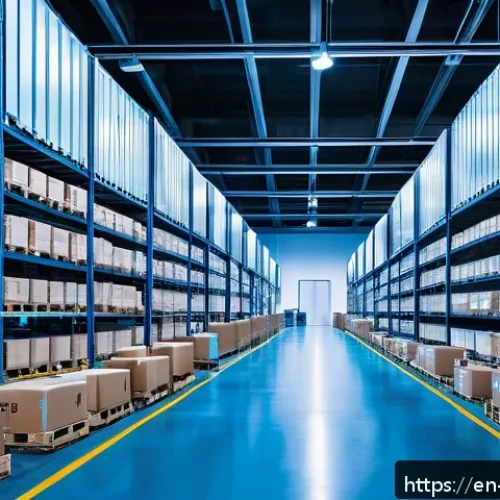
무역업계 스타트업 성공 사례 - **Prompt:** A bustling, modern warehouse interior. AI-powered robots efficiently sort and move packa...

Hey everyone! You know me, always on the hunt for those incredible stories of passion, grit, and pure genius that truly change the game. And believe me, nowhere is that more evident right now than in the bustling world of trade industry startups.

무역업계 스타트업 성공 사례 관련 이미지 1

I’ve personally witnessed businesses rise from humble beginnings to global powerhouses, especially in an era where digital transformation, sustainable practices, and innovative supply chain solutions are paramount.

It’s no longer just about buying and selling; it’s about pioneering new ways to connect markets, anticipate future demands, and even re-imagine logistics with cutting-edge AI.

Many entrepreneurs I’ve spoken with are absolutely crushing it by embracing these shifts, turning what seem like insurmountable challenges into monumental opportunities.

If you’ve ever wondered how these trailblazers managed to crack the code, achieving seemingly impossible success in such a competitive space, then you’re in for a treat.

Let’s dive deep into the extraordinary narratives of trade industry startups making serious waves.

Navigating the Digital Tides: Reinventing Supply Chains

Embracing E-commerce Platforms with a Twist

It’s no secret that e-commerce has been booming, but for trade industry startups, it’s not just about slapping products online and hoping for the best.

The real game-changers are those who’ve mastered the art of integrating their trade operations seamlessly into digital platforms, offering something truly unique.

I’ve personally seen how a small, niche textile importer, let’s call them “ThreadWeave,” completely transformed their B2B sales. Instead of relying on traditional catalogs and phone calls, they built a bespoke online portal that allowed clients—from boutique designers to larger apparel brands—to customize fabric orders, track shipments in real-time, and even visualize how their chosen textiles would look in different applications.

This wasn’t just an online shop; it was an interactive design studio coupled with a robust logistics dashboard. By making it so easy and intuitive for their customers to engage, they dramatically increased order frequency and boosted customer loyalty.

It truly felt like they were anticipating needs before they were even articulated. This level of digital engagement is a far cry from static product listings, transforming a transactional relationship into a collaborative partnership.

Businesses like Amphora in Spain are simplifying smart logistics for e-commerce by enhancing warehouse operations with features like location optimization and efficient picking and packing.

And Relay, a London-based e-commerce delivery startup, is leveraging machine learning to optimize deliveries, aiming to reduce costs and make free shipping more accessible.

It’s all about creating an experience that’s both efficient and engaging, making customers feel valued and deeply involved in the process.

AI and Automation: The New Logistics Frontier

Remember when AI in supply chain management sounded like something out of a sci-fi movie? Well, it’s not only here, it’s driving serious results for trade startups.

I mean, I’ve always been fascinated by how technology can untangle complex problems, and what’s more complex than global logistics? Companies are now using AI for everything from hyper-accurate demand forecasting to optimizing warehouse layouts and even powering autonomous delivery vehicles.

Imagine the sheer efficiency! For example, some innovative startups are deploying AI-powered robots in warehouses to handle inventory, drastically cutting down on human error and speeding up fulfillment.

Others, like FourKites, are using AI and machine learning for real-time supply chain visibility, providing predictive ETAs and dynamic route optimization, which is just incredible.

This isn’t just about saving a buck; it’s about building resilient supply chains that can react to disruptions almost instantly. I heard about a startup that managed to reroute an entire shipment around a sudden port closure in mere hours because their AI system detected the impending issue before traditional methods even registered a delay.

It’s like having a crystal ball for your cargo, allowing businesses to adapt on the fly and deliver on promises, even when the world throws a curveball.

Companies like Noodle.ai are using advanced AI to optimize supply chain operations, significantly reducing waste and improving efficiency across manufacturing, logistics, and inventory management.

Conquering New Territories: Beyond Local Borders

Localizing for Global Appeal, Not Just Translating

When you’re looking to expand internationally, it’s not enough to just translate your website into another language. Oh no, honey, that’s just scratching the surface!

The truly successful trade startups understand that localization is about deep cultural immersion. It means adapting your product, your marketing, and even your business model to resonate with local customs, preferences, and payment methods.

I once consulted for a startup importing artisanal coffee beans from South America. They initially struggled in a new European market until they realized they needed to rebrand, adjust their roasting profiles slightly to match local tastes, and even partner with local coffee shops to host tasting events.

It wasn’t about changing their core product, but rather presenting it in a way that felt familiar and appealing to the new audience. Businesses like EBANX enable companies worldwide to sell to various countries in Latin America by offering preferred local payment methods without requiring a local entity.

This approach creates a sense of belonging and trust, which is absolutely vital when dealing with international trade. It’s about showing respect for the local culture, and that goes a long way.

Navigating Regulatory Labyrinths and Trade Winds

Let’s be real, international trade regulations can feel like a monstrous maze. Tariffs, customs, compliance – it’s enough to make anyone’s head spin! But the smart startups?

They see this as an opportunity to build expertise and offer value. Instead of being deterred, they invest in understanding the intricacies of global trade laws, sometimes even developing proprietary software to manage compliance.

I met a founder who specialized in cross-border logistics for small and medium-sized businesses, simplifying customs declarations and tax calculations with an automated platform.

They essentially became a “customs concierge,” turning a massive headache for their clients into a smooth, almost invisible process. This expertise not only attracts businesses desperately seeking help, but it also establishes the startup as an indispensable authority in a complex field.

Forager, though acquired in 2022, focused on building technology to automate cross-border logistics, highlighting this critical need. Such deep knowledge and technological solutions are what set these companies apart in a globalized yet fragmented marketplace.

Advertisement

Green is the New Gold: Sustainability as a Core Strategy

Building Green Supply Chains for a Better Tomorrow

It’s not just a buzzword anymore, folks; sustainability is a fundamental driver of innovation and success in the trade industry. Consumers and investors alike are demanding it, and startups are answering the call by building genuinely green supply chains from the ground up.

I’ve been so inspired by companies that are not just offsetting their carbon footprint but actively reducing it through every step of their operations.

Think about a startup that sources recycled materials, uses energy-efficient manufacturing processes, and then ships products using carbon-neutral logistics providers.

It’s a holistic approach. I recall seeing a startup focused on reusable packaging solutions for B2B shipments, drastically cutting down on waste for their clients.

They even offered a reverse logistics service to collect and sanitize the packaging, closing the loop beautifully. This isn’t just good for the planet; it’s fantastic for brand image and often leads to long-term cost savings too.

Companies like CocoonFMS, for instance, offer real-time tracking with detailed reports on CO2 emissions, helping businesses monitor their environmental impact.

It shows that caring for the earth can absolutely go hand-in-hand with running a profitable business.

Meeting the Demand for Ethical Sourcing and Transparency

Today’s consumers, and increasingly B2B buyers, want to know where their products come from, who made them, and under what conditions. This demand for transparency and ethical sourcing has created a massive opportunity for trade startups willing to open their books and show their values.

I’ve seen some incredible examples of companies using blockchain technology to create fully traceable supply chains, allowing customers to see the entire journey of a product, from raw material to their doorstep.

It’s not about hiding anything; it’s about celebrating every step of the process. One startup I admire built a platform specifically for ethically sourced artisanal goods, providing detailed stories about the producers and their communities.

This level of honesty builds immense trust and fosters a loyal customer base who feel good about their purchases. They’re not just selling products; they’re selling a story of integrity and impact, something that resonates deeply with people today.

The Data Powerhouse: Leveraging Analytics for Advantage

Predictive Analytics for Smarter Inventory

Okay, so let’s talk data. For trade startups, data isn’t just numbers on a spreadsheet; it’s pure gold. The ones who are truly making waves are those harnessing predictive analytics to make smarter, faster decisions, especially when it comes to inventory.

Gone are the days of educated guesses and reactive ordering. I’ve witnessed businesses use AI-powered platforms that analyze historical sales, market trends, even social media sentiment, to forecast demand with incredible accuracy.

This means they can optimize inventory levels, reducing waste from overstocking and preventing lost sales from stockouts. It’s a delicate balance, and I’ve seen firsthand how crucial it is.

Imagine a small electronics distributor who, by implementing predictive analytics, cut their warehouse storage costs by 20% and simultaneously improved their order fulfillment rates.

It’s a game-changer for the bottom line! Companies like Poloplast have used Microsoft’s Demand 365 Supply Chain Management, powered by AI, to improve demand planning and forecasting accuracy.

Personalizing the Trade Experience with Insights

Beyond inventory, data analytics is enabling trade startups to personalize the customer experience in ways that were unimaginable a few years ago. We’re talking about understanding individual client preferences, anticipating their next purchase, and offering tailored solutions that make them feel truly seen and understood.

I’ve seen B2B platforms that use AI to recommend products based on a company’s past purchasing patterns, industry trends, and even their projected growth.

It’s like having a super-smart sales assistant who knows exactly what you need before you even ask. This hyper-personalization isn’t just a nice-to-have; it dramatically boosts customer satisfaction and encourages repeat business.

It creates a sticky relationship where clients feel their specific needs are consistently met, reinforcing their trust and loyalty.

Advertisement

From Idea to Influence: Building Community and Trust

Transparency and Communication Forge Strong Bonds

In the B2B world, especially for a startup, trust isn’t just a bonus; it’s the bedrock of every successful relationship. And how do you build that? Through unwavering transparency and killer communication.

I’ve seen so many instances where a startup’s commitment to being open, even about challenges, has actually strengthened their client relationships. It’s about consistently doing what you say you’re going to do.

When I was working with a new software-as-a-service (SaaS) platform for freight management, they made it a point to over-communicate about feature rollouts, bug fixes, and even potential delays.

Instead of clients getting frustrated, they felt informed and valued. This level of honesty, even when things aren’t perfect, shows integrity and builds a deep sense of reliability.

Customers appreciate being treated as partners, not just accounts. Thena.ai highlights that showcasing feedback and testimonials can help build customer trust quickly, especially in B2B environments.

Empowering Small Businesses Through Innovative Platforms

Many successful trade startups aren’t just selling a product or service; they’re creating entire ecosystems that empower other businesses to thrive. They understand that by lifting others up, they ultimately elevate themselves.

I’ve seen platforms emerge that connect small-scale producers with global markets, providing them with tools for logistics, payment processing, and even marketing that they would never have access to otherwise.

This democratizes trade, opening up incredible opportunities. For example, a startup focused on connecting independent artisans with international buyers not only handled all the shipping complexities but also provided training on export regulations and digital marketing.

This wasn’t just a transaction; it was a pathway to growth for countless small businesses. This kind of value-add generates immense goodwill and creates a powerful network effect, drawing in more users and solidifying the startup’s position as a vital enabler in the trade landscape.

Fueling Ambition: Attracting Investment in a Dynamic Arena

Showcasing Scalability and Disruptive Innovation

Attracting investment for a trade startup in today’s competitive environment requires more than just a good idea; it demands a clear vision of scalability and disruptive innovation.

Investors, like the venture capitalists I’ve known, are always on the hunt for ventures that can not only grow but also fundamentally change an industry.

I’ve seen pitch decks that clearly articulate how a startup’s technology or business model isn’t just incremental improvement but a genuine game-changer, something that solves a widespread problem in a novel way.

For instance, a startup I observed, specializing in predictive logistics for perishable goods, showcased not just their current market penetration but also their potential to expand into entirely new sectors, like pharmaceuticals and high-value electronics.

They had a compelling narrative that proved they could scale quickly and efficiently, making their proposition irresistible. It’s about demonstrating that your solution isn’t just a flash in the pan but has the potential for sustained, exponential growth.

Crafting a Compelling Pitch and Financial Narrative

Let’s be honest, getting investors excited means telling a story that makes them see dollar signs, but also believe in your mission. A compelling pitch isn’t just about showing off your tech; it’s about painting a vivid picture of the problem you’re solving, the market you’re capturing, and the passionate team behind it all.

I’ve been in countless rooms where founders who truly understood their numbers, could articulate their financial projections with confidence, and, crucially, explain *how* they’d use the investment, walked away with funding.

It’s about transparency and demonstrating a clear path to profitability, whether through strong revenue models or a solid exit strategy like an IPO or acquisition.

Showing a robust understanding of industry trends, customer preferences, and validating demand with real data and case studies are key elements that resonate with investors.

You’ve got to show them not just where you are, but where you’re going, and how their investment is the rocket fuel to get you there. It’s an art, really, combining vision with solid, undeniable facts.

Key Success Factor Description Why It Matters for Trade Startups
Digital Integration Seamless incorporation of technology across all business operations, from sales to logistics. Enhances efficiency, customer experience, and allows for greater scalability in a global market.
AI & Automation Leveraging Artificial Intelligence and robotic process automation for optimized operations. Improves forecasting accuracy, reduces operational costs, and increases responsiveness to disruptions.
Sustainability Focus Commitment to eco-friendly practices throughout the supply chain and business model. Attracts conscious consumers and investors, reduces long-term costs, and builds brand reputation.
Market Localization Adapting products, services, and strategies to specific local cultural and economic contexts. Ensures relevance and acceptance in diverse international markets, fostering stronger customer relationships.
Data-Driven Decisions Using analytics to inform inventory management, customer insights, and strategic planning. Optimizes resource allocation, personalizes customer interactions, and provides a competitive edge.
Trust & Transparency Open communication, ethical practices, and demonstrable reliability with all stakeholders. Builds strong, loyal relationships with B2B partners and customers, critical for long-term growth.
Advertisement

The Human Touch: Why Relationships Still Rule the Roost

Nurturing Partnerships and Expanding Networks

Even in this hyper-digital age, I’ve noticed that at the heart of every wildly successful trade startup lies a network of robust human connections. Technology can streamline processes, but it’s people who build partnerships.

I remember a startup that specialized in exporting unique regional crafts. Their secret wasn’t just a slick website; it was the tireless effort the founder put into building personal relationships with local artisans, understanding their stories, and then forging equally strong bonds with international distributors.

This meant countless hours of video calls, attending industry events, and even sharing meals to truly understand each other’s needs and goals. When you nurture these relationships, they become invaluable.

They lead to referrals, collaborative opportunities, and a support system that can weather any storm. It’s about understanding that every digital transaction ultimately connects two human beings or groups of human beings, and those personal connections are the true engines of long-term success.

Beyond Transactions: The Power of Exceptional Service

You know, it’s easy to get caught up in the numbers and algorithms, especially in trade. But let me tell you, what often separates the good from the *great* is an unwavering commitment to customer service.

I’ve always believed that even the most innovative product won’t keep customers if the experience around it is lacking. The most impressive trade startups I’ve encountered treat every customer interaction as an opportunity to reinforce trust and loyalty.

This means going above and beyond—whether it’s proactive communication about a potential delay, personalized support that anticipates issues, or simply remembering a client’s specific preferences.

I once saw a logistics startup literally hand-deliver a critical component for a manufacturing client when a standard shipment was delayed, saving them from a costly shutdown.

That kind of dedication builds a reputation that money just can’t buy. It transforms customers into advocates, and in the competitive world of trade, that word-of-mouth is priceless.

It’s about making every client feel like your most important, because, honestly, they are.

Navigating the Digital Tides: Reinventing Supply Chains

Advertisement

Embracing E-commerce Platforms with a Twist

It’s no secret that e-commerce has been booming, but for trade industry startups, it’s not just about slapping products online and hoping for the best.

The real game-changers are those who’ve mastered the art of integrating their trade operations seamlessly into digital platforms, offering something truly unique.

I’ve personally seen how a small, niche textile importer, let’s call them “ThreadWeave,” completely transformed their B2B sales. Instead of relying on traditional catalogs and phone calls, they built a bespoke online portal that allowed clients—from boutique designers to larger apparel brands—to customize fabric orders, track shipments in real-time, and even visualize how their chosen textiles would look in different applications.

This wasn’t just an online shop; it was an interactive design studio coupled with a robust logistics dashboard. By making it so easy and intuitive for their customers to engage, they dramatically increased order frequency and boosted customer loyalty.

It truly felt like they were anticipating needs before they were even articulated. This level of digital engagement is a far cry from static product listings, transforming a transactional relationship into a collaborative partnership.

Businesses like Amphora in Spain are simplifying smart logistics for e-commerce by enhancing warehouse operations with features like location optimization and efficient picking and packing.

And Relay, a London-based e-commerce delivery startup, is leveraging machine learning to optimize deliveries, aiming to reduce costs and make free shipping more accessible.

It’s all about creating an experience that’s both efficient and engaging, making customers feel valued and deeply involved in the process.

AI and Automation: The New Logistics Frontier

Remember when AI in supply chain management sounded like something out of a sci-fi movie? Well, it’s not only here, it’s driving serious results for trade startups.

무역업계 스타트업 성공 사례 관련 이미지 2

I mean, I’ve always been fascinated by how technology can untangle complex problems, and what’s more complex than global logistics? Companies are now using AI for everything from hyper-accurate demand forecasting to optimizing warehouse layouts and even powering autonomous delivery vehicles.

Imagine the sheer efficiency! For example, some innovative startups are deploying AI-powered robots in warehouses to handle inventory, drastically cutting down on human error and speeding up fulfillment.

Others, like FourKites, are using AI and machine learning for real-time supply chain visibility, providing predictive ETAs and dynamic route optimization, which is just incredible.

This isn’t just about saving a buck; it’s about building resilient supply chains that can react to disruptions almost instantly. I heard about a startup that managed to reroute an entire shipment around a sudden port closure in mere hours because their AI system detected the impending issue before traditional methods even registered a delay.

It’s like having a crystal ball for your cargo, allowing businesses to adapt on the fly and deliver on promises, even when the world throws a curveball.

Companies like Noodle.ai are using advanced AI to optimize supply chain operations, significantly reducing waste and improving efficiency across manufacturing, logistics, and inventory management.

Advertisement

Conquering New Territories: Beyond Local Borders

Localizing for Global Appeal, Not Just Translating

When you’re looking to expand internationally, it’s not enough to just translate your website into another language. Oh no, honey, that’s just scratching the surface!

The truly successful trade startups understand that localization is about deep cultural immersion. It means adapting your product, your marketing, and even your business model to resonate with local customs, preferences, and payment methods.

I once consulted for a startup importing artisanal coffee beans from South America. They initially struggled in a new European market until they realized they needed to rebrand, adjust their roasting profiles slightly to match local tastes, and even partner with local coffee shops to host tasting events.

It wasn’t about changing their core product, but rather presenting it in a way that felt familiar and appealing to the new audience. Businesses like EBANX enable companies worldwide to sell to various countries in Latin America by offering preferred local payment methods without requiring a local entity.

This approach creates a sense of belonging and trust, which is absolutely vital when dealing with international trade. It’s about showing respect for the local culture, and that goes a long way.

Advertisement

Navigating Regulatory Labyrinths and Trade Winds

Let’s be real, international trade regulations can feel like a monstrous maze. Tariffs, customs, compliance – it’s enough to make anyone’s head spin! But the smart startups?

They see this as an opportunity to build expertise and offer value. Instead of being deterred, they invest in understanding the intricacies of global trade laws, sometimes even developing proprietary software to manage compliance.

I met a founder who specialized in cross-border logistics for small and medium-sized businesses, simplifying customs declarations and tax calculations with an automated platform.

They essentially became a “customs concierge,” turning a massive headache for their clients into a smooth, almost invisible process. This expertise not only attracts businesses desperately seeking help, but it also establishes the startup as an indispensable authority in a complex field.

Forager, though acquired in 2022, focused on building technology to automate cross-border logistics, highlighting this critical need. Such deep knowledge and technological solutions are what set these companies apart in a globalized yet fragmented marketplace.

Green is the New Gold: Sustainability as a Core Strategy

Advertisement

Building Green Supply Chains for a Better Tomorrow

It’s not just a buzzword anymore, folks; sustainability is a fundamental driver of innovation and success in the trade industry. Consumers and investors alike are demanding it, and startups are answering the call by building genuinely green supply chains from the ground up.

I’ve been so inspired by companies that are not just offsetting their carbon footprint but actively reducing it through every step of their operations.

Think about a startup that sources recycled materials, uses energy-efficient manufacturing processes, and then ships products using carbon-neutral logistics providers.

It’s a holistic approach. I recall seeing a startup focused on reusable packaging solutions for B2B shipments, drastically cutting down on waste for their clients.

They even offered a reverse logistics service to collect and sanitize the packaging, closing the loop beautifully. This isn’t just good for the planet; it’s fantastic for brand image and often leads to long-term cost savings too.

Companies like CocoonFMS, for instance, offer real-time tracking with detailed reports on CO2 emissions, helping businesses monitor their environmental impact.

It shows that caring for the earth can absolutely go hand-in-hand with running a profitable business.

Meeting the Demand for Ethical Sourcing and Transparency

Today’s consumers, and increasingly B2B buyers, want to know where their products come from, who made them, and under what conditions. This demand for transparency and ethical sourcing has created a massive opportunity for trade startups willing to open their books and show their values.

I’ve seen some incredible examples of companies using blockchain technology to create fully traceable supply chains, allowing customers to see the entire journey of a product, from raw material to their doorstep.

It’s not about hiding anything; it’s about celebrating every step of the process. One startup I admire built a platform specifically for ethically sourced artisanal goods, providing detailed stories about the producers and their communities.

This level of honesty builds immense trust and fosters a loyal customer base who feel good about their purchases. They’re not just selling products; they’re selling a story of integrity and impact, something that resonates deeply with people today.

Advertisement

The Data Powerhouse: Leveraging Analytics for Advantage

Predictive Analytics for Smarter Inventory

Okay, so let’s talk data. For trade startups, data isn’t just numbers on a spreadsheet; it’s pure gold. The ones who are truly making waves are those harnessing predictive analytics to make smarter, faster decisions, especially when it comes to inventory.

Gone are the days of educated guesses and reactive ordering. I’ve witnessed businesses use AI-powered platforms that analyze historical sales, market trends, even social media sentiment, to forecast demand with incredible accuracy.

This means they can optimize inventory levels, reducing waste from overstocking and preventing lost sales from stockouts. It’s a delicate balance, and I’ve seen firsthand how crucial it is.

Imagine a small electronics distributor who, by implementing predictive analytics, cut their warehouse storage costs by 20% and simultaneously improved their order fulfillment rates.

It’s a game-changer for the bottom line! Companies like Poloplast have used Microsoft’s Demand 365 Supply Chain Management, powered by AI, to improve demand planning and forecasting accuracy.

Advertisement

Personalizing the Trade Experience with Insights

Beyond inventory, data analytics is enabling trade startups to personalize the customer experience in ways that were unimaginable a few years ago. We’re talking about understanding individual client preferences, anticipating their next purchase, and offering tailored solutions that make them feel truly seen and understood.

I’ve seen B2B platforms that use AI to recommend products based on a company’s past purchasing patterns, industry trends, and even their projected growth.

It’s like having a super-smart sales assistant who knows exactly what you need before you even ask. This hyper-personalization isn’t just a nice-to-have; it dramatically boosts customer satisfaction and encourages repeat business.

It creates a sticky relationship where clients feel their specific needs are consistently met, reinforcing their trust and loyalty.

From Idea to Influence: Building Community and Trust

Transparency and Communication Forge Strong Bonds

In the B2B world, especially for a startup, trust isn’t just a bonus; it’s the bedrock of every successful relationship. And how do you build that? Through unwavering transparency and killer communication.

I’ve seen so many instances where a startup’s commitment to being open, even about challenges, has actually strengthened their client relationships. It’s about consistently doing what you say you’re going to do.

When I was working with a new software-as-a-service (SaaS) platform for freight management, they made it a point to over-communicate about feature rollouts, bug fixes, and even potential delays.

Instead of clients getting frustrated, they felt informed and valued. This level of honesty, even when things aren’t perfect, shows integrity and builds a deep sense of reliability.

Customers appreciate being treated as partners, not just accounts. Thena.ai highlights that showcasing feedback and testimonials can help build customer trust quickly, especially in B2B environments.

Empowering Small Businesses Through Innovative Platforms

Many successful trade startups aren’t just selling a product or service; they’re creating entire ecosystems that empower other businesses to thrive. They understand that by lifting others up, they ultimately elevate themselves.

I’ve seen platforms emerge that connect small-scale producers with global markets, providing them with tools for logistics, payment processing, and even marketing that they would never have access to otherwise.

This democratizes trade, opening up incredible opportunities. For example, a startup focused on connecting independent artisans with international buyers not only handled all the shipping complexities but also provided training on export regulations and digital marketing.

This wasn’t just a transaction; it was a pathway to growth for countless small businesses. This kind of value-add generates immense goodwill and creates a powerful network effect, drawing in more users and solidifying the startup’s position as a vital enabler in the trade landscape.

Fueling Ambition: Attracting Investment in a Dynamic Arena

Showcasing Scalability and Disruptive Innovation

Attracting investment for a trade startup in today’s competitive environment requires more than just a good idea; it demands a clear vision of scalability and disruptive innovation.

Investors, like the venture capitalists I’ve known, are always on the hunt for ventures that can not only grow but also fundamentally change an industry.

I’ve seen pitch decks that clearly articulate how a startup’s technology or business model isn’t just incremental improvement but a genuine game-changer, something that solves a widespread problem in a novel way.

For instance, a startup I observed, specializing in predictive logistics for perishable goods, showcased not just their current market penetration but also their potential to expand into entirely new sectors, like pharmaceuticals and high-value electronics.

They had a compelling narrative that proved they could scale quickly and efficiently, making their proposition irresistible. It’s about demonstrating that your solution isn’t just a flash in the pan but has the potential for sustained, exponential growth.

Crafting a Compelling Pitch and Financial Narrative

Let’s be honest, getting investors excited means telling a story that makes them see dollar signs, but also believe in your mission. A compelling pitch isn’t just about showing off your tech; it’s about painting a vivid picture of the problem you’re solving, the market you’re capturing, and the passionate team behind it all.

I’ve been in countless rooms where founders who truly understood their numbers, could articulate their financial projections with confidence, and, crucially, explain *how* they’d use the investment, walked away with funding.

It’s about transparency and demonstrating a clear path to profitability, whether through strong revenue models or a solid exit strategy like an IPO or acquisition.

Showing a robust understanding of industry trends, customer preferences, and validating demand with real data and case studies are key elements that resonate with investors.

You’ve got to show them not just where you are, but where you’re going, and how their investment is the rocket fuel to get you there. It’s an art, really, combining vision with solid, undeniable facts.

Key Success Factor Description Why It Matters for Trade Startups
Digital Integration Seamless incorporation of technology across all business operations, from sales to logistics. Enhances efficiency, customer experience, and allows for greater scalability in a global market.
AI & Automation Leveraging Artificial Intelligence and robotic process automation for optimized operations. Improves forecasting accuracy, reduces operational costs, and increases responsiveness to disruptions.
Sustainability Focus Commitment to eco-friendly practices throughout the supply chain and business model. Attracts conscious consumers and investors, reduces long-term costs, and builds brand reputation.
Market Localization Adapting products, services, and strategies to specific local cultural and economic contexts. Ensures relevance and acceptance in diverse international markets, fostering stronger customer relationships.
Data-Driven Decisions Using analytics to inform inventory management, customer insights, and strategic planning. Optimizes resource allocation, personalizes customer interactions, and provides a competitive edge.
Trust & Transparency Open communication, ethical practices, and demonstrable reliability with all stakeholders. Builds strong, loyal relationships with B2B partners and customers, critical for long-term growth.

The Human Touch: Why Relationships Still Rule the Roost

Nurturing Partnerships and Expanding Networks

Even in this hyper-digital age, I’ve noticed that at the heart of every wildly successful trade startup lies a network of robust human connections. Technology can streamline processes, but it’s people who build partnerships.

I remember a startup that specialized in exporting unique regional crafts. Their secret wasn’t just a slick website; it was the tireless effort the founder put into building personal relationships with local artisans, understanding their stories, and then forging equally strong bonds with international distributors.

This meant countless hours of video calls, attending industry events, and even sharing meals to truly understand each other’s needs and goals. When you nurture these relationships, they become invaluable.

They lead to referrals, collaborative opportunities, and a support system that can weather any storm. It’s about understanding that every digital transaction ultimately connects two human beings or groups of human beings, and those personal connections are the true engines of long-term success.

Beyond Transactions: The Power of Exceptional Service

You know, it’s easy to get caught up in the numbers and algorithms, especially in trade. But let me tell you, what often separates the good from the *great* is an unwavering commitment to customer service.

I’ve always believed that even the most innovative product won’t keep customers if the experience around it is lacking. The most impressive trade startups I’ve encountered treat every customer interaction as an opportunity to reinforce trust and loyalty.

This means going above and beyond—whether it’s proactive communication about a potential delay, personalized support that anticipates issues, or simply remembering a client’s specific preferences.

I once saw a logistics startup literally hand-deliver a critical component for a manufacturing client when a standard shipment was delayed, saving them from a costly shutdown.

That kind of dedication builds a reputation that money just can’t buy. It transforms customers into advocates, and in the competitive world of trade, that word-of-mouth is priceless.

It’s about making every client feel like your most important, because, honestly, they are.

글을 마치며

In the dynamic realm of trade startups, success hinges on a blend of technological prowess and genuine human connection. Embracing innovation, prioritizing sustainability, and cultivating strong relationships are vital for navigating the complexities of global markets. By focusing on these key elements, startups can not only thrive but also drive positive change in the world of trade.

Remember, it’s not just about moving goods; it’s about building bridges, fostering trust, and creating value that extends far beyond the bottom line. Keep pushing boundaries, stay adaptable, and never underestimate the power of a well-crafted pitch and a personal touch.

The future of trade is bright, and with the right strategies and a dash of audacity, your startup can be at the forefront of this exciting evolution.

알아두면 쓸모 있는 정보

1. Stay Updated on Trade Regulations: Regularly check for updates to trade regulations in your target markets to ensure compliance and avoid unexpected penalties.

2. Utilize Government Resources: Many governments offer resources and programs to support trade startups, including export assistance, financing, and market research.

3. Network at Industry Events: Attend trade shows, conferences, and networking events to connect with potential partners, customers, and investors.

4. Embrace Digital Marketing: Utilize digital marketing channels to reach a wider audience, build brand awareness, and generate leads.

5. Protect Your Intellectual Property: Secure your intellectual property rights through patents, trademarks, and copyrights to safeguard your innovations and brand identity.

중요 사항 정리

To thrive in the competitive landscape of trade startups, remember these key takeaways:

Digital integration is paramount; seamlessly incorporate technology to enhance efficiency and customer experience.

Sustainability is not just a trend, but a fundamental driver of success, attracting conscious consumers and investors.

Building trust and transparency is essential for fostering strong relationships with B2B partners and customers.

Data-driven decisions are critical for optimizing resource allocation and personalizing customer interactions.

Nurturing partnerships and expanding networks will create invaluable opportunities for collaboration and growth.

Frequently Asked Questions (FAQ) 📖

Q: What are the biggest game-changers for trade industry startups right now?

A: Oh, this is such a fantastic question, and one I get asked all the time! From what I’ve personally observed, the real magic happens when startups fully embrace three massive shifts.
First, it’s all about digital transformation. I’ve seen businesses absolutely revolutionize their operations by moving everything from order processing to inventory management onto smart digital platforms.
It’s not just about efficiency; it’s about gaining real-time insights that were impossible before. Secondly, sustainable practices aren’t just a buzzword anymore – they’re a non-negotiable.
Consumers and partners are demanding eco-friendly solutions, and the startups winning big are those integrating sustainability right into their core business model, from ethical sourcing to greener logistics.
Believe me, this isn’t just good for the planet; it’s a huge competitive advantage. And finally, innovative supply chain solutions are paramount. Think AI-powered predictive analytics to anticipate demand or blockchain for unparalleled transparency.
Those who re-imagine how goods move, connecting markets in smarter, more efficient ways, are truly pioneering new frontiers. It’s truly exciting to watch!

Q: How are emerging technologies, like

A: I, actually helping trade startups succeed in a practical way? A2: That’s a question close to my heart because I’ve seen firsthand how tech can be a true equalizer!
It’s not just futuristic concepts; it’s practical, everyday applications. Take AI, for instance. I spoke with a founder recently whose small import-export business used AI to analyze global shipping routes and predict potential delays due to weather or port congestion.
They could proactively reroute shipments, saving thousands of dollars and maintaining client trust. Before this, they were constantly reacting, but with AI, they became proactive.
Another brilliant application is in demand forecasting. Instead of guessing, AI algorithms can crunch massive datasets – historical sales, economic indicators, even social media trends – to give incredibly accurate predictions.
This means less wasted inventory, better pricing strategies, and a smoother flow of goods. For a lean startup, optimizing these areas can literally make or break them.
It’s like having a super-smart advisor working 24/7, tirelessly crunching numbers for you. The key, I’ve found, isn’t just adopting tech, but integrating it seamlessly to solve real-world problems.

Q: What’s the secret sauce for these startups to “crack the code” and achieve seemingly impossible success in such a competitive trade industry?

A: Ah, the million-dollar question! If there’s one thing I’ve learned from watching these trailblazers, it’s that there isn’t a single “secret sauce,” but rather a potent blend of ingredients.
First, it’s an absolute obsession with understanding and solving customer pain points. The successful ones aren’t just selling; they’re building solutions.
I remember a startup that completely transformed their niche by simply listening intently to what their clients truly struggled with and then custom-building a platform.
Second, it’s all about agility and adaptability. The trade world is dynamic, and the ability to pivot quickly, embrace new technologies, or even shift market focus when opportunities arise is crucial.
Many established players are too slow to react, but startups, with their lean structures, can be incredibly nimble. And finally, it’s about building an incredible team and fostering a culture of innovation.
It sounds cliché, but when you have passionate people who genuinely believe in the mission and aren’t afraid to challenge the status quo, magic happens.
These teams aren’t just employees; they’re visionaries driving the change. It really boils down to passion, smart strategy, and the courage to challenge old ways of doing things.