
Hey everyone! Ever wondered what it’s *really* like to be at the heart of global commerce? I mean, beyond the fancy titles and big deals, what does a trade expert actually *do* day-in and day-out?
From navigating complex international regulations to deciphering market shifts caused by everything from geopolitical events to groundbreaking tech, it’s a role that demands constant vigilance and a sharp mind.
I’ve personally seen how a single change in a trade agreement or an unexpected supply chain hiccup can ripple across continents, and frankly, it keeps things incredibly exciting!
In today’s fast-paced world, where AI is beginning to reshape logistics and sustainability is more critical than ever, the routine of a trade professional is anything but mundane.
We’re talking about a field constantly impacted by things like evolving trade policies, currency fluctuations, and even unexpected global crises, all while embracing new technologies like AI for predictive analytics and supply chain optimization.
It’s a dynamic dance of strategy and foresight. Ready to peel back the curtain and see exactly how they tackle these challenges and seize opportunities?
Let’s dive into the details and uncover the fascinating daily rhythm of a trade expert!
Navigating the Global Labyrinth of Regulations
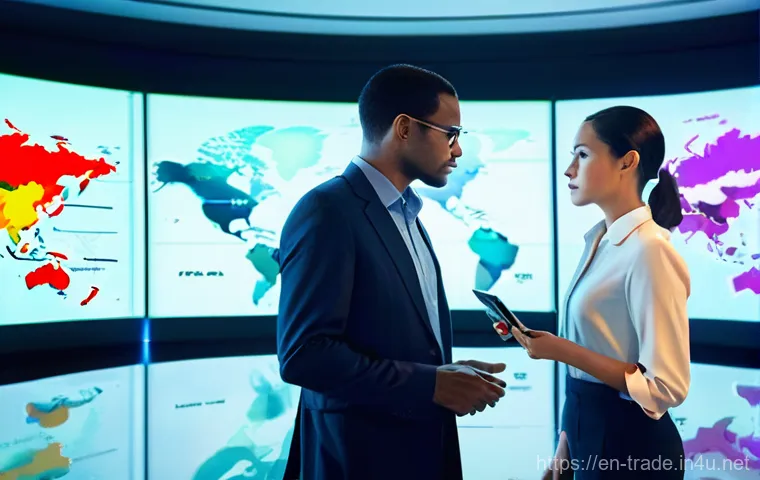
Honestly, if there’s one thing that keeps every trade expert on their toes, it’s the sheer, mind-boggling complexity of international regulations. It’s not just about knowing the rules; it’s about anticipating how those rules might shift and then quickly adapting. I’ve personally witnessed situations where a seemingly minor change in a customs code in one country could completely halt a multi-million dollar shipment, leaving everyone scrambling. We’re talking about everything from understanding the nuances of World Trade Organization (WTO) agreements, which are already dense enough to be textbooks, to sifting through bilateral trade deals that seem to pop up and evolve almost daily. It’s like being a detective, a lawyer, and a logistics manager all rolled into one, because you’re constantly deciphering legal jargon, identifying potential pitfalls, and then finding the most efficient, compliant path forward. You really feel the weight of responsibility when you realize that one oversight could mean hefty fines or, worse, a damaged reputation for your company. The stakes are always incredibly high, and it demands constant vigilance and a keen eye for detail. This isn’t just theory; it’s about practical application in real-time, often with tight deadlines looming. I’ve spent countless hours diving into regulatory databases, cross-referencing legislation, and consulting with local experts to ensure everything is above board. It’s a continuous learning curve, and frankly, that’s what makes it so engaging – there’s never a dull moment.
Understanding WTO and Bilateral Agreements
When you’re dealing with international trade, the foundational bedrock is often the World Trade Organization, or WTO. But don’t let that fool you into thinking it’s simple! While the WTO sets the broad framework for global trade, things get really intricate when you layer in bilateral and regional trade agreements. I’ve seen firsthand how a free trade agreement (FTA) between two nations can completely redraw the competitive landscape for specific industries. For example, knowing the exact rules of origin under the USMCA (United States-Mexico-Canada Agreement) versus a separate bilateral deal with, say, South Korea, can literally make or break a product’s profitability. It means constantly analyzing the fine print, understanding tariff schedules, and knowing which agreement takes precedence for a particular good moving between specific countries. It’s like playing a three-dimensional chess game where the rules keep changing, and you have to anticipate your opponent’s next move long before they even make it. This strategic foresight is absolutely essential.
Tackling Customs and Compliance Head-on
Let’s be real, customs procedures can be a nightmare if you’re not prepared. From proper commodity classification, which is often a subjective art as much as a science, to ensuring all necessary import and export licenses are acquired, it’s a minefield of potential delays and penalties. I vividly recall a time a shipment of specialized machinery was held up at a major European port for weeks because one specific permit, which had only recently become mandatory, was missing. The ripple effect on project deadlines and client satisfaction was immense. A trade expert’s day often involves meticulous documentation review, coordinating with customs brokers globally, and staying updated on ever-evolving national customs laws. This isn’t just about ticking boxes; it’s about proactively managing risk and ensuring a smooth flow of goods across borders, which directly impacts a company’s bottom line. It’s a relentless pursuit of perfection in paperwork and process.
The Art of Decoding Market Shifts and Geopolitics
Being a trade expert isn’t just about paperwork and regulations; it’s about being a global economist, a political analyst, and a futurist all rolled into one. I mean, seriously, how many jobs require you to track everything from the latest inflation figures in the Eurozone to an unexpected leadership change in an emerging market, and then immediately assess its potential impact on your company’s supply chain or sales forecasts? I’ve personally experienced the stomach-churning anxiety when a seemingly stable political situation in a key manufacturing region suddenly destabilizes, forcing an immediate re-evaluation of production plans and logistics routes. It’s a constant scan of the global horizon, looking for both storm clouds and clear skies. You’re not just reacting to news; you’re trying to predict it, to understand the subtle signals buried in economic reports or diplomatic communiqués. This demands a kind of intuitive foresight, honed by years of observing cause and effect in the international arena. It’s a fascinating, albeit sometimes terrifying, part of the job where your ability to connect seemingly disparate global events directly translates into strategic advantages or, conversely, helps mitigate potential disasters. The stakes are incredibly high, as these shifts can literally redefine entire market segments overnight.
Predicting the Next Big Economic Wave
Think about it: trade doesn’t happen in a vacuum. It’s deeply intertwined with global economic trends. For us, it means constantly monitoring GDP growth rates, interest rate changes by central banks like the Federal Reserve or the European Central Bank, and consumer spending habits across different continents. I remember vividly when a slowdown in China’s manufacturing output, combined with rising energy prices, created a perfect storm that squeezed profit margins for countless Western importers. My team and I were working overtime, trying to find alternative sourcing options and renegotiate existing contracts. It’s about seeing the patterns, connecting the dots, and making informed projections that guide purchasing decisions, inventory management, and even investment strategies. You’re essentially an economic meteorologist, constantly updating your forecast based on new data points, trying to warn your organization of impending economic shifts before they become undeniable.
Responding to Political Tides and Trade Wars
This is where things get really intense. Geopolitics isn’t just headline news for us; it’s a direct operational reality. Tariffs, sanctions, political unrest, even electoral outcomes—these can all throw a wrench into well-oiled trade mechanisms. I’ve been in meetings where we had to completely pivot our sourcing strategy from one country to another almost overnight because of escalating trade tensions. It’s not just about costs; it’s about maintaining supply chain integrity and ensuring legal compliance in a rapidly changing political landscape. For instance, the recent global efforts to diversify supply chains away from single points of failure weren’t just about economics; they were heavily influenced by geopolitical considerations. It’s a constant balancing act between commercial interests and political realities, requiring a delicate touch and a robust understanding of international relations. You have to be ready to pivot at a moment’s notice.
Building Bridges: The Human Side of International Deals
Forget the spreadsheets for a moment; at its core, international trade is still about people. It’s about building relationships, understanding different cultural nuances, and earning trust across vast distances. I’ve personally found that the most successful deals aren’t always the ones with the lowest price, but the ones forged on a foundation of mutual respect and clear communication. It’s a humbling experience to sit across a table from someone who operates under an entirely different business etiquette, and yet find common ground to move forward. This often involves more than just translating words; it’s about understanding unspoken cues, respecting local customs, and demonstrating genuine empathy. I recall a negotiation in Southeast Asia where the initial discussions felt like hitting a brick wall until I realized a subtle shift in my communication style, focusing more on long-term partnership rather than immediate gains, completely opened things up. It’s a constant learning process, adjusting your approach based on who you’re speaking with, where they come from, and what truly motivates them. This human element is incredibly rewarding because when you succeed in truly connecting, you’re not just closing a deal; you’re building a bridge that can sustain future collaborations and weather unexpected challenges. It’s a testament to the idea that even in a digital world, personal connections remain paramount.
Negotiation Tactics That Actually Work
Negotiation in international trade is an intricate dance. It’s not about being aggressive; it’s about being strategic, patient, and culturally aware. I’ve learned that sometimes the best approach isn’t to push for an immediate “yes,” but to allow space for contemplation and consensus-building, especially in cultures where direct confrontation is avoided. Crafting win-win scenarios is key, identifying what truly matters to the other party beyond the obvious price point. I always try to put myself in their shoes, understanding their market pressures and internal stakeholders. A real-life scenario taught me that sometimes, a small concession on payment terms can secure a much larger, longer-term commitment that is far more valuable. It’s about looking at the bigger picture and understanding that a good relationship is often more profitable than a single, cut-throat deal.
Cultivating Cross-Cultural Relationships
This is where the magic happens, truly. It’s not just about business; it’s about understanding and respecting different ways of life. Whether it’s knowing the appropriate greetings, understanding gift-giving protocols, or simply appreciating different communication styles, these small details make a massive difference. I remember attending a business dinner in Japan where simply showing an appreciation for their local cuisine, even trying something a little outside my comfort zone, instantly fostered a level of rapport that hours of formal meetings hadn’t achieved. Building these relationships means investing time, traveling, and sometimes just sharing a laugh over a meal. It’s about demonstrating that you value the person, not just their business, and that creates an invaluable foundation of trust that can endure through market fluctuations and unforeseen challenges. These are the connections that truly unlock opportunities.
Tech-Driven Trade: Embracing AI and Data Analytics
If you think trade is all about dusty ledgers and fax machines, think again! The technological revolution, especially with AI and advanced data analytics, is completely reshaping how we do business across borders. I’ve personally seen how leveraging AI can transform what used to be weeks of manual data compilation and risk assessment into mere minutes. It’s not about replacing human expertise, but augmenting it, giving us superpowers to handle increasingly complex global supply chains. Imagine predicting potential port congestions days in advance or identifying fraud risks in import declarations with unprecedented accuracy. This isn’t science fiction anymore; it’s becoming our daily reality. From optimizing shipping routes to automating compliance checks, these technologies are streamlining processes, reducing costs, and perhaps most importantly, providing insights that were simply unattainable before. I find myself constantly exploring new platforms, attending webinars, and talking to tech developers to understand how the latest innovations can be integrated into our operations. It’s an exciting frontier, pushing the boundaries of what’s possible and demanding a continuous curiosity to stay relevant. The sheer volume of data involved in global trade is mind-boggling, and without these advanced tools, we’d simply drown. Embracing this tech isn’t just an option; it’s a necessity to remain competitive and efficient in today’s fast-paced environment.
Leveraging Predictive Analytics for Supply Chains
This is truly game-changing. Gone are the days of purely reactive supply chain management. With predictive analytics, we’re talking about forecasting demand fluctuations, anticipating logistical bottlenecks, and even predicting potential supplier failures based on historical data and real-time global events. I experienced this firsthand when an AI tool we implemented flagged an unusual pattern in weather forecasts for a key shipping lane, prompting us to reroute a significant consignment before a major storm hit. That proactive decision saved us substantial delays and costs. It’s about using vast datasets to identify trends and probabilities, allowing us to make informed decisions that proactively mitigate risks and optimize efficiency throughout the entire supply chain, from raw materials to final delivery. This isn’t guesswork; it’s data-driven foresight.
Automating Compliance and Documentation
Let’s be honest, trade documentation can be incredibly repetitive and prone to human error. But imagine AI-powered systems that can automatically classify goods, check for regulatory compliance across multiple jurisdictions, and even generate customs declarations. I’ve seen this evolve from a futuristic dream to a practical tool that has dramatically reduced the time and effort spent on routine compliance tasks. It frees up our human experts to focus on the more complex, nuanced, and strategic aspects of trade, rather than getting bogged down in administrative minutiae. This automation doesn’t just speed things up; it significantly reduces the risk of costly errors, which can have huge financial implications in international trade. It’s truly making trade more accessible and less error-prone.
Sustainability and Ethics: More Than Just Buzzwords
For me, and for many in the trade world, sustainability and ethical practices have moved far beyond being just “nice-to-haves” or marketing slogans; they are now non-negotiable pillars of successful international commerce. Consumers, investors, and even governments are increasingly demanding transparency and accountability throughout global supply chains. I’ve personally spearheaded initiatives to trace products back to their origins, ensuring that every step, from the raw material extraction to the factory floor, adheres to strict environmental and labor standards. It’s a challenging journey, as establishing true visibility across complex, multi-tiered supply chains requires immense effort and collaboration. But the rewards are tangible: enhanced brand reputation, access to new markets that prioritize ethical sourcing, and a stronger, more resilient supply chain that’s less susceptible to disruptions caused by environmental degradation or social unrest. This commitment isn’t just about feeling good; it’s about smart business in the 21st century. The pressure to “go green” and “be ethical” is coming from every direction, and it’s up to trade professionals to translate these aspirations into actionable, measurable strategies that truly make a difference, proving that profit and planet can coexist. It requires a profound understanding of not just commercial dynamics but also environmental science and human rights.
Green Supply Chains: From Concept to Reality
Creating a truly “green” supply chain involves a comprehensive look at every single point of impact, from sustainable sourcing of raw materials to optimizing transportation for reduced carbon emissions, and even considering end-of-life product recycling. I’ve been involved in projects where we completely redesigned packaging to minimize waste or shifted shipping methods from air freight to sea freight to cut down on our carbon footprint, even if it meant adjusting lead times. It’s a complex puzzle that demands collaboration with suppliers, logistics partners, and even customers to find innovative solutions that reduce environmental harm without compromising efficiency or quality. The pressure to reduce our ecological footprint is immense, and for good reason. It’s about future-proofing our businesses and our planet.
Ensuring Fair Labor Practices Globally
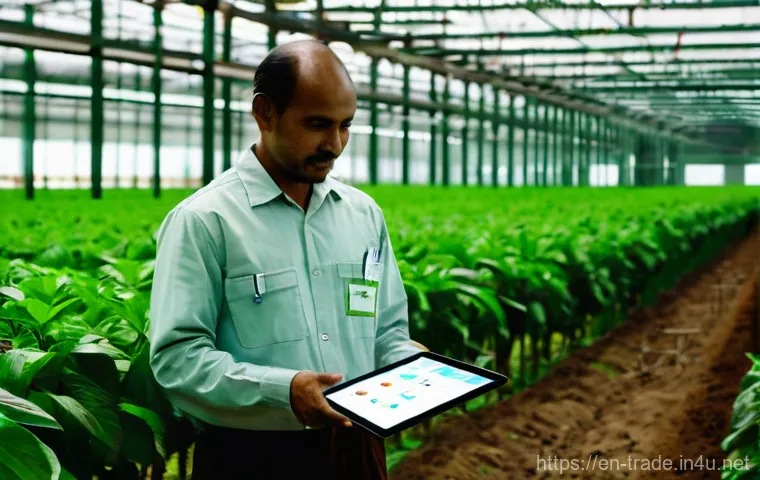
This hits home for me. It’s not enough to simply buy products; we have a moral and ethical obligation to ensure they are produced under humane and fair conditions. This means diving deep into supplier audits, looking for signs of forced labor, child labor, or unsafe working environments, and demanding transparent reporting. I’ve personally traveled to factories in distant lands to conduct assessments, talking directly to workers and local management. It’s often a delicate balance between pushing for higher standards and supporting local economies, but the focus must always remain on human dignity. Companies are increasingly being held accountable for their entire supply chain, and trade experts are at the forefront of ensuring that our global sourcing practices align with fundamental human rights. This isn’t just about compliance; it’s about making a positive impact on people’s lives.
Crisis Management: When the Global Supply Chain Snaps
If there’s one aspect of a trade expert’s job that truly tests your mettle, it’s navigating a full-blown supply chain crisis. I’ve lived through moments when a natural disaster, a sudden political upheaval, or even a global pandemic brought well-oiled logistics networks to a screeching halt. The feeling is akin to being a firefighter, constantly assessing damage, rerouting resources, and making critical decisions under immense pressure. There’s no script for these situations, just a blend of rapid analytical thinking, creative problem-solving, and a deep understanding of your entire operational ecosystem. I vividly remember the chaotic days when port closures disrupted shipping lanes worldwide, and we had to quickly pivot, identifying alternative routes, negotiating emergency freight contracts, and constantly communicating with affected customers. It’s a relentless cycle of problem identification, solution generation, and execution, often with imperfect information and rapidly changing circumstances. You learn quickly that resilience isn’t just a buzzword; it’s an operational imperative. Your ability to calmly lead through the storm, reassuring stakeholders while simultaneously enacting complex recovery plans, truly defines your expertise. These crises are never easy, but they certainly forge a unique kind of competence and an unwavering commitment to keeping goods moving, no matter what the world throws at you.
Rapid Response to Unexpected Disruptions
When a crisis hits, speed is absolutely critical. Whether it’s a sudden factory fire, an unexpected surge in demand that overwhelms production, or a geopolitical event that closes borders, the clock starts ticking immediately. My team and I once had to completely re-source a critical component from a new supplier within 48 hours after our primary supplier’s facility was hit by a flood. It involved intense negotiations, rapid quality checks, and expedited logistics, but we pulled it off. This demands a robust emergency response plan, excellent communication channels, and the ability to make high-stakes decisions with incomplete information. It’s about mitigating the immediate damage and preventing a localized problem from escalating into a systemic failure across the entire supply chain. It’s a test of leadership under pressure.
Mitigating Risks and Building Resilience
Of course, the best crisis management starts long before a crisis actually occurs. A significant part of my role involves proactively identifying potential vulnerabilities in the supply chain – what we call “single points of failure” – and then developing strategies to mitigate those risks. This could involve diversifying suppliers across different geographic regions, building buffer stock, or implementing advanced risk monitoring systems. I’ve spent considerable time mapping out alternative routes and backup production facilities, creating contingency plans for every plausible scenario, from cyberattacks to climate-related events. Building a truly resilient supply chain means embedding flexibility and redundancy into its very design, ensuring that even when one part of the system breaks, the entire network doesn’t collapse. It’s about building a robust system that can bend without breaking under pressure.
Mastering the Financial Flows and Currency Chaos
Let’s talk money, because honestly, in international trade, it’s a whole different ballgame compared to domestic transactions. You’re not just dealing with the price of goods; you’re battling currency fluctuations, navigating complex payment terms, and figuring out the most cost-effective financing structures across different countries. I’ve personally seen how a sudden swing in the exchange rate between the US dollar and the Euro, or the Japanese Yen, can completely erode profit margins on a deal that looked fantastic just weeks earlier. It’s a constant, high-stakes game of predicting market movements, hedging against risks, and ensuring that funds flow efficiently and securely across borders. Every trade expert essentially becomes a mini-forex analyst, keeping a keen eye on global economic indicators and central bank pronouncements that could signal an impending shift. Beyond just currency, it’s about understanding different payment methods, from letters of credit to open accounts, and choosing the one that offers the best balance of security and speed for both parties. It’s a critical area where financial acumen directly impacts profitability and operational stability. You need to be incredibly detail-oriented, as small percentages in financing or exchange rates can translate into huge gains or losses when dealing with large-scale international transactions. The pressure is real to optimize every financial aspect of a deal.
Hedging Against Currency Volatility
This is where things get technical and strategically vital. Imagine you’ve locked in a price for goods from a supplier in Europe, but you’re paying in US dollars. If the Euro strengthens against the dollar before payment, your costs could skyrocket. This is where hedging comes in – using financial instruments like forward contracts or currency options to lock in an exchange rate and protect against adverse movements. I’ve spent countless hours evaluating different hedging strategies, balancing the cost of the hedge against the potential risk exposure. It’s not about making a speculative bet; it’s about managing unavoidable risk to ensure financial predictability and safeguard profit margins on international transactions. It’s a fundamental skill in today’s interconnected but volatile financial world.
Optimizing Payment and Financing Structures
Beyond currency, the actual method of payment and how a trade deal is financed can drastically affect cash flow and risk exposure. Should we use a letter of credit, which offers high security but can be slow and costly, or move towards open account terms with trusted partners, which is faster but carries more risk? I’ve worked on countless deals where structuring the right payment terms – from pre-payments to installment plans – made all the difference in securing the deal or mitigating financial risk. This also involves navigating trade finance options like supply chain financing or export credit insurance, which can unlock capital and reduce buyer or seller risk. It requires a deep understanding of financial instruments and their practical application in different cultural and legal contexts to ensure smooth and secure global transactions.
| Trade Challenge | Common Impact | Expert’s Approach / Solution |
|---|---|---|
| Regulatory Changes | Delays, fines, market access issues | Continuous monitoring, legal counsel, adaptive compliance frameworks, digital tracking tools |
| Currency Fluctuations | Reduced profit margins, unpredictable costs | Hedging strategies (forward contracts), multi-currency accounts, dynamic pricing models |
| Supply Chain Disruptions | Production halts, delivery delays, increased costs | Supplier diversification, contingency planning, predictive analytics, buffer stock management |
| Geopolitical Instability | Tariffs, sanctions, market closures, reputational risk | Scenario planning, market intelligence, diplomatic engagement, rapid re-routing |
| Ethical Sourcing Concerns | Brand damage, consumer backlash, legal action | Audits, transparency initiatives, supplier codes of conduct, blockchain traceability |
Continuous Learning: Staying Ahead in a Dynamic World
If there’s one constant in the world of trade, it’s change. Seriously, the moment you think you’ve mastered a particular regulation or understood a market trend, something new pops up that completely shifts the landscape. I’ve always felt that being a trade expert is less about having all the answers and more about being incredibly adept at finding them and understanding how they fit into the bigger picture. This means my “workday” often extends into evenings spent poring over new policy papers, attending virtual conferences on emerging technologies, or simply chatting with peers about what they’re seeing on the ground in different parts of the world. It’s a relentless pursuit of knowledge, driven by the understanding that complacency is the biggest threat in a field that’s constantly impacted by global events, technological advancements, and evolving societal expectations. The satisfaction comes from constantly challenging yourself, expanding your intellectual horizons, and knowing that your commitment to continuous learning directly translates into better decisions and more successful outcomes for your organization. It’s never boring, that’s for sure, and it truly keeps you sharp. The sheer volume of information to absorb can be overwhelming, but it’s also incredibly stimulating to always be on the cutting edge.
Keeping Up with Policy Changes and Innovations
From new carbon taxes in Europe to shifts in intellectual property laws in Asia, staying current with policy changes is a full-time job in itself. I subscribe to countless trade publications, governmental alerts, and industry newsletters, and my inbox is often flooded with updates that need careful review. Just last month, a significant update to import duties on certain tech components in North America required an immediate re-evaluation of several sourcing contracts. It’s not just about reading the news; it’s about interpreting its practical implications for your specific business operations. Beyond policy, keeping an eye on technological innovations, whether it’s the latest in blockchain for supply chain transparency or advanced AI for predictive analytics, is crucial for maintaining a competitive edge. It’s a dynamic interplay between regulatory shifts and technological advancements that constantly reshapes our field.
Networking for Growth and Insights
As much as I love diving deep into data and regulations, I’ve found that some of the most invaluable insights come from connecting with other people in the field. Attending industry conferences, joining professional associations, and even just having informal chats with colleagues from different companies or regions opens up a world of perspectives. I remember a conversation at a trade summit where a peer shared a unique strategy for navigating a particularly tricky customs issue in Latin America, which I later adapted with great success for my own operations. These networks provide a vital pulse on global trends, offer a sounding board for complex problems, and foster a sense of community in what can sometimes feel like a solitary pursuit. It’s about sharing experiences, learning from collective wisdom, and building relationships that can prove indispensable in navigating the complexities of international trade. It’s truly a collaborative journey.
Wrapping Up Our Global Trade Journey
Whew! What a ride, right? Diving into the world of international trade really shows you just how intricate, challenging, and utterly fascinating it is. It’s a field that demands constant learning, incredible adaptability, and a genuine passion for connecting people and products across borders. From deciphering complex regulations to navigating cultural differences and leveraging cutting-edge tech, every day brings a new adventure. What I truly love about this profession is that it’s never static; it pushes you to grow, to think critically, and to always look for innovative solutions. It’s about being a global citizen in every sense of the word, and honestly, that’s what makes it so incredibly rewarding.
Useful Insights for Your Trade Toolkit
Here are a few quick tips and valuable nuggets I’ve picked up along my journey that I believe can make a real difference in your approach to international trade:
1. Embrace Lifelong Learning: The global trade landscape is a living, breathing entity that constantly changes. Subscribing to industry newsletters, following trade policy updates, and engaging with thought leaders will keep your knowledge sharp and your strategies effective.
2. Network Like Crazy: Seriously, some of the best solutions and opportunities I’ve found came not from a database, but from a conversation with a peer or a mentor. Building a strong professional network is your secret weapon for navigating unforeseen challenges and discovering new markets.
3. Technology Isn’t a Luxury, It’s a Necessity: From AI-driven analytics that predict supply chain disruptions to blockchain for enhanced traceability, integrating modern tech isn’t just cool; it’s essential for efficiency, risk mitigation, and staying competitive in today’s fast-paced environment.
4. Culture Truly Matters: Never underestimate the power of cultural intelligence. Understanding and respecting local customs, communication styles, and business etiquette can be the difference between a deal that flourishes and one that falls flat. It builds trust, which is the bedrock of any successful international partnership.
5. Prioritize Resilience and Ethics: Building a robust, ethical supply chain isn’t just about good corporate citizenship; it’s a strategic imperative. Diversifying suppliers, having contingency plans, and ensuring fair labor practices create a more stable, respected, and ultimately, more profitable business in the long run.
Key Takeaways for the Modern Trade Professional
At the end of the day, being a trade expert in our interconnected world means being a perpetual student, a strategic thinker, and a global connector. It’s about blending deep analytical skills with genuine human connection, constantly adapting to shifting economic and political currents, and never losing sight of the ethical implications of our work. The dynamism of the field keeps us on our toes, but it’s precisely this constant evolution that makes it such an exhilarating and impactful career. Remember, every shipment, every deal, and every partnership we foster contributes to a larger global tapestry, making the world a slightly smaller, more connected place.
Frequently Asked Questions (FAQ) 📖
Q: What does a “typical” day look like for a trade expert, with all these global moving parts?
A: Oh, if only there were a “typical” day! From what I’ve experienced, it’s more like a dynamic symphony where every day introduces a new movement. One morning, I might be knee-deep in analyzing the latest tariff changes for a client exporting specialty foods to the EU, calculating potential impacts, and advising on compliance.
The afternoon could pivot dramatically to a frantic call about a sudden port congestion in Asia caused by unforeseen weather, requiring quick thinking to reroute shipments and minimize disruptions.
It’s a constant juggle of research—diving into government websites, trade publications, and industry alerts to stay on top of ever-evolving regulations—and strategic problem-solving.
I’ve found that a significant chunk of time goes into communication: explaining complex trade policies to businesses, collaborating with freight forwarders, and even negotiating terms that can literally make or break a deal.
The beauty (and sometimes the beast!) of it is that you’re always learning, always adapting, and always on your toes, which, for me, makes it incredibly engaging.
Q: How do trade experts manage to stay updated with the dizzying pace of global regulatory, technological, and geopolitical shifts? It sounds overwhelming!
A: You’re absolutely right, it can feel overwhelming, but that’s where a blend of dedicated strategies and a genuine passion for the field come into play.
Personally, I’ve built a robust system of staying informed. This includes subscribing to alerts from key international trade organizations and customs authorities, religiously following specialized trade news sources, and even participating in webinars that break down upcoming legislation.
It’s not just about passively receiving information, though. I actively engage with a network of fellow trade professionals—customs brokers, lawyers, and industry consultants—because their on-the-ground insights are invaluable for understanding the nuances and practical implications of changes.
Plus, I’ve noticed that continuous learning isn’t just a suggestion; it’s a job requirement. I’m always looking into new certifications or courses, especially in areas like trade technology, because the landscape is just constantly shifting.
It’s truly a mindset of intellectual curiosity and relentless adaptation that keeps us ahead of the curve.
Q: With
A: I and sustainability becoming such huge factors, how is the role of a trade expert changing, and what new skills are becoming essential? A3: This is probably the most exciting, and frankly, transformative area right now!
I’ve been seeing firsthand how AI isn’t just a buzzword; it’s genuinely reshaping how we approach trade. For instance, AI is dramatically improving supply chain visibility and efficiency through predictive analytics, helping us forecast demand more accurately and optimize logistics.
This means less guesswork and more data-driven decisions, which is a massive game-changer. On the sustainability front, new regulations like carbon border adjustment mechanisms are pushing businesses to consider their environmental footprint at every stage.
So, what does this mean for us trade experts? Beyond the traditional legal and economic acumen, skills like data literacy and analytical thinking are becoming absolutely essential.
We need to be able to understand and interpret the insights AI tools provide, rather than just relying on gut feelings. Furthermore, a strong grasp of sustainable practices and environmental regulations is no longer optional; it’s foundational.
I’ve personally seen a growing demand for experts who can help companies navigate these “green” trade policies. Critical thinking, adaptability, and the ability to collaborate with tech teams are also vital.
It’s less about replacing human experts and more about augmenting our capabilities, allowing us to focus on the strategic, complex decisions that still require that uniquely human touch.
It truly feels like we’re moving into an era of “smart commerce,” and I’m here for it!