
Have you ever thought about the incredible journey a product takes from a factory halfway across the globe to your local store? It’s a truly fascinating process, one that’s far more complex and dynamic than most people realize.
In my years of exploring the intricate world of international commerce, I’ve seen firsthand how import and export operations are the literal backbone of our global economy, a constant dance of goods and documents across borders.
It can feel a bit like navigating a giant puzzle, especially with all the talk lately about supply chain snarls, new tariffs, and the exciting, yet sometimes overwhelming, push for digitalization and greener logistics.
The landscape is always shifting, from geopolitical tensions making headlines to innovative tech like AI and blockchain transforming how we track every single package.
Understanding these vital movements isn’t just for industry giants anymore; it’s empowering for anyone looking to make sense of global trade or even start their own venture.
Whether you’re an aspiring entrepreneur, a small business owner, or just curious about how global products reach you, grasping the core steps of import and export is absolutely essential right now.
It’s about more than just moving boxes; it’s about mastering the rhythm of international commerce to unlock new opportunities and navigate potential pitfalls.
Let’s peel back the layers and discover the fundamental phases of getting goods across borders, making global trade feel less daunting and more achievable.
I’m excited to share a clear breakdown of the key stages of import and export operations, so you can confidently step into the world of international trade.
Let’s dive deeper and uncover exactly how it all works!
Understanding the Game Before You Play: Initial Research & Strategy
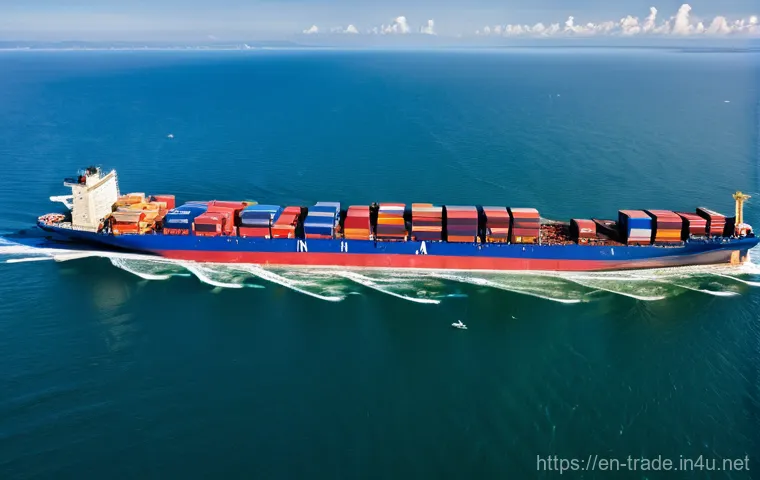
Diving into the world of import and export, especially for someone like me who loves a good challenge, always starts with a deep dive into research. You wouldn’t just jump into a new sport without learning the rules, right? It’s exactly the same here. From my own adventures, I’ve learned that the initial legwork can make or break your entire venture. Before you even think about moving a single product, you absolutely need to figure out what markets are hungry for your goods and if your product even stands a chance against local competition. This isn’t just about spotting a gap; it’s about understanding the nuances of demand, pricing, and cultural fit. I once spent weeks analyzing consumer trends in different countries, trying to understand why a certain product that was flying off the shelves in the US barely registered a blip in Europe. It taught me invaluable lessons about market segmentation and the importance of truly knowing your potential customers. Don’t underestimate this phase; it’s where you lay the foundation for everything else, making sure your time and money are invested wisely. Trust me, skipping this step is a common pitfall that I’ve seen many, including myself early on, fall into.
Spotting Opportunities and Market Fit
When I first started looking into global trade, I was so excited about the idea of bringing unique items to new places. But excitement alone won’t pay the bills! You’ve got to be a bit of a detective, really digging into market reports, trade statistics, and even social media trends. What are people talking about? What problems are they trying to solve? For instance, I remember seeing a massive surge in demand for eco-friendly products a few years back. It wasn’t just a trend; it was a movement. Recognizing that early allowed me to pivot and explore suppliers who specialized in sustainable goods, giving me a real edge. It’s about more than just what’s popular; it’s about understanding the underlying values driving consumer choices in a specific region. What works in California might not resonate in the UK, and that’s a critical distinction to grasp before you commit.
Navigating Trade Regulations and Compliance
Oh, the paperwork! If there’s one area that can feel like a maze, it’s definitely the regulatory landscape. Each country has its own set of rules, tariffs, and customs procedures, and keeping up can feel like a full-time job. I recall a time when I almost had a shipment held up because I overlooked a specific labeling requirement for a particular market. It was a minor detail, but it could have cost me dearly in delays and penalties. This experience really hammered home the importance of consulting with trade experts or using reliable databases to stay informed. You need to know about import duties, taxes, quotas, and any specific product standards (like health or safety certifications). It sounds intimidating, but with good planning and expert advice, it becomes manageable. Think of it as learning the local dialect before you visit – it just makes everything smoother.
Finding Your Tribe: Sourcing Suppliers and Nailing the Deal
Once you’ve got your market strategy locked down, the next thrilling step is finding the right partners to make your vision a reality. This isn’t just about picking the cheapest option; it’s about building relationships and trust, which, in my book, is absolutely paramount in international trade. I’ve learned through trial and error that a reliable supplier is worth their weight in gold. There’s nothing worse than launching a new product only to find your supplier can’t meet demand or, even worse, compromises on quality. My personal approach involves extensive due diligence, from checking their production capabilities and quality control processes to understanding their communication style. I usually start with online directories and trade shows, but nothing beats a direct conversation or, if possible, a factory visit. I’ve traveled halfway across the world just to see operations firsthand, and those trips have always paid off, giving me insights you just can’t get from an email. Remember, you’re not just buying goods; you’re investing in a partnership.
Vetting Potential Partners
Vetting suppliers is like dating for business – you need to ask the right questions and look for red flags. I always insist on samples, check references, and sometimes even hire third-party inspectors, especially for larger orders. There was one instance where a supplier seemed perfect on paper, but a quick video call revealed communication barriers that would have been a nightmare to navigate long-term. My gut feeling said to hold off, and I’m so glad I did. Look beyond the glossy brochures; try to understand their company culture, their ethical practices, and their commitment to sustainability. Do they have certifications? How do they handle disputes? These details paint a much clearer picture than just their price list.
Negotiating Terms and Contracts
Negotiating isn’t just about getting the lowest price; it’s about securing favorable terms that protect both parties. This includes payment terms, delivery schedules, quality standards, and dispute resolution mechanisms. I’ve found that being clear and concise in contracts is absolutely crucial. Leave no room for ambiguity. For example, explicitly defining Incoterms (International Commercial Terms) can save you a world of headaches later on, clearly stating who is responsible for what costs and risks at each stage of the journey. I learned this the hard way when an early shipment arrived damaged, and without clear Incoterms in the contract, a lengthy debate ensued over who bore the financial responsibility. My advice? Get everything in writing, and if something feels off, don’t hesitate to seek legal counsel specializing in international trade. It’s an investment, not an expense.
The Paper Chase: Mastering Customs and Crucial Documentation
If you’ve ever dealt with customs, you know it can feel like a labyrinth. But honestly, it’s less daunting once you understand the rhythm. From my experience, the secret sauce here is preparation and precision. Getting your documents in order isn’t just a formality; it’s the lifeline of your shipment. Imagine your goods sitting in a warehouse, accruing demurrage fees, all because a single document was missing or had a typo. I’ve been there, and let me tell you, the stress is real, and the costs can quickly eat into your profit margins. This stage requires meticulous attention to detail, almost like being a legal secretary for your cargo. It’s about presenting a clear, coherent story of your goods to the authorities, proving their origin, value, and compliance with all regulations. A well-organized document package isn’t just about avoiding delays; it’s a reflection of your professionalism and expertise in global trade.
Essential Export Documentation
When you’re sending goods out, you’re essentially creating a narrative for the importing country. You’ll definitely need a commercial invoice, packing list, and bill of lading (for ocean freight) or air waybill (for air freight). Then, depending on your product and destination, you might also need a certificate of origin, export licenses, or specific health and safety certificates. I remember a time I was exporting food products, and the phytosanitary certificate was absolutely critical. Without it, the entire shipment would have been rejected. It’s not just about having the documents, but ensuring they’re accurate and match up perfectly. Any discrepancies, even minor ones, can cause significant delays. Think of it as telling a story – every piece of paper is a chapter, and they all need to align.
Navigating Import Procedures
Bringing goods in can be just as complex, if not more so, than sending them out. You’ll face customs declarations, duty payments, and inspections. This is where a good customs broker becomes your best friend. I wouldn’t dream of handling complex imports without one. They’re the experts who understand the Harmonized System (HS) codes, can advise on tariffs, and help navigate the specific entry requirements of your country. I’ve seen firsthand how a skilled broker can streamline the process, saving both time and money. They can also help you determine if your goods are eligible for any free trade agreements, which can significantly reduce or even eliminate duties – a huge win for your bottom line! It’s like having a local guide in a foreign city; they know the shortcuts and can help you avoid tourist traps.
Hitting the Road (or Sea, or Air!): Unpacking Logistics and Shipping
Once the paperwork is sorted, the real journey begins: getting your products from point A to point B. This is where logistics comes into play, and it’s arguably one of the most dynamic and challenging aspects of import and export. I’ve always found this stage fascinating, watching how products move across continents, often through a complex web of carriers, ports, and warehouses. Choosing the right shipping method isn’t a one-size-fits-all decision; it depends entirely on your product, urgency, and budget. For bulky, non-urgent items, ocean freight is usually the most economical, but it demands patience. Air freight, on the other hand, is a lifesaver for time-sensitive or high-value goods, though it comes with a premium price tag. I’ve had shipments go by express air cargo for urgent fashion items and slow boat for durable machinery, each choice perfectly suited to its purpose. Understanding the pros and cons of each method, and knowing when to use which, is a hallmark of an experienced trader. This is where working with a reliable freight forwarder truly shines; they’re the orchestra conductors of your supply chain.
Choosing Your Mode of Transport
Deciding between sea, air, rail, or even road transport involves a careful balancing act. When I first started, I automatically leaned towards the cheapest option, which was usually sea freight. However, I quickly learned that the “cheapest” isn’t always the most cost-effective in the long run if delays cause missed deadlines or spoiled goods. Consider factors like transit time, cost per unit, environmental impact, and the nature of your goods (perishable, fragile, hazardous). For example, I once needed to import delicate electronics, and despite the higher cost, air freight was the only sensible option to minimize handling and transit risk. Conversely, when importing bulk raw materials, ocean freight was the clear winner, as the longer transit time didn’t impact our production schedule significantly. It’s all about fitting the solution to the specific problem at hand.
The Role of Freight Forwarders and Insurance
Working with a reputable freight forwarder is, in my opinion, non-negotiable. They act as your logistical backbone, arranging transportation, managing customs clearance, and handling all the intricate details of moving cargo. I’ve seen them perform miracles, rerouting shipments during port strikes or finding alternative solutions when unexpected delays occur. They have the networks and expertise that most individual businesses simply can’t replicate. Furthermore, never, ever skip on cargo insurance. It’s a small cost that provides immense peace of mind. I once had a container fall overboard during a particularly rough sea voyage (thankfully, not my goods!), but it was a stark reminder that unforeseen events happen. Insurance protects your investment against loss, damage, or theft during transit, turning potential disasters into manageable inconveniences. It’s like having a safety net – you hope you never need it, but you’re profoundly grateful it’s there.
| Shipping Method | Best For | Average Transit Time | Cost Efficiency | Key Consideration |
|---|---|---|---|---|
| Ocean Freight | Heavy, bulky, non-urgent goods | 20-45 days (intercontinental) | High (per unit) | Long transit times, port congestion |
| Air Freight | High-value, time-sensitive, perishable goods | 1-7 days (intercontinental) | Low (per unit), high overall | Higher cost, limited volume/weight |
| Rail Freight | Large volumes over land, continent-spanning | 10-20 days (e.g., China to Europe) | Medium | Less flexible routes, infrastructure dependent |
| Road Freight | Short-to-medium distances, door-to-door | 1-5 days (regional) | Medium | Flexibility, local delivery, customs at borders |
Show Me the Money: Navigating Payments and Funding Your Ventures

The financial side of import and export can feel a bit like a high-stakes poker game, especially when you’re dealing with different currencies, international banks, and varying levels of trust. Getting paid, or paying your suppliers, seamlessly and securely is absolutely vital. I’ve personally experienced the relief of a Letter of Credit coming through exactly as expected and the mild panic when a wire transfer seemed to disappear into the ether for a few extra days. Understanding the different payment mechanisms and choosing the right one for each transaction is key to minimizing risk for both the buyer and the seller. It’s not just about the money moving, but the confidence and security that comes with it. Early on, I stuck to simpler methods, but as my operations grew, I realized the strategic advantage of more sophisticated tools. This stage also touches on how you fund these ventures, because global trade often requires significant upfront capital. Mastering these financial flows can dramatically impact your cash flow and ultimately, your profitability.
Secure Payment Methods
When it comes to international payments, there’s a spectrum of options, each with its own risk profile. For me, a Letter of Credit (LC) offers the highest security, especially when dealing with new suppliers or large sums. It’s essentially a guarantee from a bank that the payment will be made once certain conditions (like shipment of goods and presentation of documents) are met. Then there are Documentary Collections (D/P or D/A), which are a bit less secure than LCs but still offer some protection. For trusted partners, especially after years of doing business, I sometimes opt for a Telegraphic Transfer (T/T) or wire transfer, though these require a high level of confidence. I even use specialized international payment platforms for smaller, faster transactions now, which weren’t really an option when I started out. The key is to match the payment method to the level of trust and the value of the transaction.
Funding Your Global Ambitions
Let’s be real, international trade often requires capital. Whether it’s to pay suppliers upfront, cover shipping costs, or manage inventory, you’ll likely need some financial backing. I’ve explored various avenues, from traditional bank loans and lines of credit to more specific trade finance options like supply chain financing or export credit insurance. For smaller operations, leveraging government-backed export credit agencies can be a game-changer, as they often provide guarantees or loans to help businesses enter new markets. I once secured a small business loan specifically for export activities, and it provided the breathing room I needed to expand into a new region without straining my existing cash flow. Don’t be afraid to explore these options; there’s usually a financing solution tailored to your needs, you just have to look for it and present a solid business case.
Bracing for the Bumps: Tackling Risks and Staying Agile
Let’s be honest: global trade isn’t always smooth sailing. There are curveballs thrown from every direction, and I’ve certainly learned to expect the unexpected. From geopolitical shifts impacting tariffs overnight to natural disasters disrupting supply lines, risks are an inherent part of the game. What I’ve found to be most crucial is not just identifying these risks but building resilience and agility into your operations. It’s about having contingency plans for your contingency plans! I once had a major shipment stuck due to a port strike that flared up with almost no warning. My initial panic quickly turned into problem-solving mode, leveraging my freight forwarder’s network to find an alternative, albeit more expensive, route. That experience reinforced the importance of diversifying suppliers and routes whenever possible. Thinking strategically about potential disruptions means you’re not just reacting; you’re proactively safeguarding your business against the many uncertainties of the global marketplace. It’s about building a robust system that can bend without breaking.
Mitigating Supply Chain Disruptions
The past few years have really highlighted just how fragile global supply chains can be. My own strategy now heavily emphasizes diversification. Relying on a single supplier or a single shipping route is just asking for trouble. I try to work with multiple suppliers, even if it means slightly higher costs, to ensure I have backup options. Building relationships with alternative logistics providers is also key. When the Suez Canal was blocked, I saw businesses scrambling, but those with diversified routes or strong freight forwarder relationships were able to pivot much faster. It’s also worth looking into localized warehousing or drop-shipping solutions if your product allows, reducing the overall distance your goods need to travel internationally.
Navigating Currency Fluctuations and Geopolitical Headwinds
Currency exchange rates can eat into your profits faster than you can say “fluctuation.” I’ve learned to factor potential currency swings into my pricing and payment terms. Hedging strategies, like using forward contracts or currency options, can provide some protection against adverse movements, though they come with their own costs. Beyond economics, geopolitical events can literally change the rules of the game overnight. New tariffs, trade embargoes, or even political unrest in a key manufacturing region can impact your ability to import or export. Staying informed through reputable news sources and trade advisories is crucial. I try to maintain a broader understanding of global affairs, not just market trends, because these macro-level shifts often have direct, tangible impacts on trade. It’s about being prepared for the world as it is, not just as you hope it will be.
Beyond the Delivery: Post-Shipment Success and Building Trust
Many people think the import/export journey ends once the goods arrive at their destination, but that’s really just the beginning of the post-shipment phase. This stage, in my experience, is absolutely critical for building long-term relationships and a stellar reputation, which in turn fuels repeat business and positive word-of-mouth. It’s about ensuring customer satisfaction, handling any unforeseen issues with grace, and learning from every single transaction. I’ve found that even if there’s a minor hiccup in transit, how you respond and resolve it can actually strengthen your relationship with a client. It demonstrates your commitment and professionalism. From tracking feedback to managing returns, this phase is where you solidify your brand as a reliable and trustworthy partner in the complex world of global trade. Remember, a happy customer isn’t just a one-time sale; they’re a potential advocate for your business.
Customer Feedback and Support
After a delivery, my team and I always make it a point to follow up with the client. It’s not just about asking “Did it arrive?”, but also “How was the packaging?”, “Were there any issues with customs?”, and “How is the product performing?”. This feedback is invaluable. It helps us identify areas for improvement, from packaging choices to carrier selection. I once received feedback that a particular item was frequently damaged during transit to a specific region. This led us to redesign our packaging for that route, drastically reducing future damage and saving us a ton in replacement costs and customer service time. Excellent post-sales support, including clear return policies and responsive communication, transforms a one-time buyer into a loyal customer.
Continuous Improvement and Relationship Nurturing
Global trade is a dynamic field, and you can never afford to be complacent. I constantly analyze my shipping logs, customs records, and customer feedback for patterns. Are certain carriers consistently faster or more reliable? Are there recurring documentation errors? Every piece of data is an opportunity to fine-tune your operations. But beyond the numbers, it’s about nurturing relationships. Regularly checking in with your suppliers, freight forwarders, and even customs brokers helps build a stronger network. These relationships can be incredibly beneficial, especially when you need a favor during a crisis or are looking for insights into new market opportunities. I’ve found that a strong network built on mutual trust and respect is one of the most powerful assets you can have in this business.
글을마치며
And there you have it, folks! What a journey we’ve explored together through the fascinating, sometimes daunting, but ultimately rewarding world of international import and export. My hope is that by sharing some of my own experiences and the lessons I’ve picked up along the way, you feel a little more equipped, a little less overwhelmed, and perhaps even a lot more excited to embark on your own global trade adventures. Remember, every expert was once a beginner, and every successful venture starts with that crucial first step. The key isn’t to avoid every pitfall, because let’s be real, that’s impossible. Instead, it’s about developing the resilience, the sharp eye for detail, and the network of trusted partners that help you navigate those bumps in the road. Keep learning, keep asking questions, and never lose that spark of curiosity that brought you here in the first place. You’ve got this, and I’m genuinely rooting for your success!
알아두면 쓸모 있는 정보
1. Always secure cargo insurance, no matter how small the shipment. It’s your safety net against the unexpected.
2. Invest time in understanding Incoterms thoroughly; they define responsibilities and can save you from costly disputes.
3. Cultivate strong relationships with your freight forwarders and customs brokers; they are invaluable allies in complex logistics.
4. Keep a close eye on global economic and political news, as these factors can rapidly impact trade regulations and currency values.
5. Don’t underestimate the power of diverse sourcing; having multiple suppliers reduces risk and increases flexibility.
중요 사항 정리
Stepping back, the core pillars of successful import/export really boil down to meticulous preparation, robust partnerships, and an unshakeable commitment to adaptability. From my perspective, diving deep into market research before committing any capital is non-negotiable; it’s like charting your course before setting sail. Building trust with reliable suppliers and logistics partners isn’t just a nice-to-have; it’s the bedrock of smooth operations and ensures product quality and timely delivery, every single time. And while the paperwork can feel endless, mastering customs and documentation is a superpower that prevents frustrating delays and keeps your goods moving. Finally, staying agile and prepared for risks, whether they’re currency swings or supply chain disruptions, ensures your business can weather any storm. It’s a challenging but incredibly dynamic field, offering endless opportunities for growth if you approach it with intelligence, diligence, and a bit of adventurous spirit.
Frequently Asked Questions (FAQ) 📖
Q: What are the absolute first steps if I want to dive into importing or exporting?
A: Oh, this is such a fantastic question, and it’s one I hear all the time! Diving into international trade feels like a massive leap, right? But honestly, it all starts with a few really crucial steps that lay your foundation.
From my experience, the very first thing you need to do is market research to find your niche. You’ve got to figure out what products are truly in demand somewhere else or what products could fill a gap in your local market.
Don’t just pick something you like; look for profitability and competition. Once you have a product idea, pour your energy into creating a detailed business plan.
This isn’t just a formality; it’s your roadmap! It needs to cover everything from your target markets and potential suppliers to your logistics strategy and how you’ll handle finances.
Next up, and this is super important, is getting your legal ducks in a row. You’ll need to register your business, secure the right import or export licenses (don’t worry, many exports don’t need a specific license, but you must check for your product!), and get familiar with tax and customs compliance in both your country and your target markets.
I’ve seen too many promising ventures stumble here! Finally, start sourcing reliable partners. This means finding trustworthy suppliers or buyers and potentially a great freight forwarder or customs broker who can help you navigate the tricky waters of international shipping and regulations.
And, of course, make sure you have your initial capital ready. It might sound like a lot, but taking these steps methodically will save you so much headache down the line!
Q: What are some of the biggest hurdles new importers/exporters face, and how can I avoid them?
A: Believe me, I’ve seen it all in the world of global trade, and yes, there are definitely some recurring challenges, especially for newcomers! But here’s the good news: with a bit of foresight and the right strategies, you can absolutely sidestep most of them.
One of the biggest pain points is undoubtedly navigating the complex web of regulations and compliance. Every country has its own tariffs, quotas, product standards, and documentation requirements, and these can change frequently!
My best advice here? Don’t go it alone. Invest in a good customs broker or freight forwarder who lives and breathes this stuff.
They are worth their weight in gold. Another huge hurdle is managing logistics and the supply chain. Think about it: coordinating transportation, ensuring goods arrive on time and undamaged, and dealing with potential delays or high shipping costs.
It’s a lot of moving parts! To mitigate this, diversify your suppliers if possible, build buffer times into your schedules, and always ensure your goods are packaged robustly for international travel.
Partnering with reliable logistics providers can make all the difference. Then there are the financial risks, especially currency fluctuations and payment issues.
Exchange rate volatility can really eat into your profits, and late or non-payments from overseas buyers are a genuine concern. My go-to strategy here is to consider financial tools like forward contracts to lock in rates, price strategically with a small buffer, and establish very clear, standardized payment terms right from the start.
And let’s not forget cultural and communication barriers. Language differences, varying business etiquettes, and even time zones can lead to misunderstandings and delays.
Do your homework on the culture you’re dealing with, hire translators if needed, and leverage asynchronous communication tools to bridge those time gaps.
The key to overcoming these challenges is proactive planning, continuous learning, and not being afraid to lean on experts.
Q: How has technology (like
A: I or blockchain) really changed the game in global trade for businesses like ours? A3: Oh my goodness, the impact of technology on global trade in recent years?
It’s truly mind-blowing, and honestly, it’s making the playing field much more accessible for businesses of all sizes, not just the giants! What I’ve seen firsthand is that tools like Artificial Intelligence (AI) and blockchain aren’t just buzzwords; they’re fundamentally reshaping how we import and export.
For starters, AI is turbocharging efficiency and automation. We’re talking about AI optimizing trade operations by reducing transaction costs and streamlining supply chains.
It’s dramatically speeding up customs procedures by analyzing shipping documents and flagging compliance issues, cutting down on human errors and delays.
Think faster clearance and smoother flows—it’s a game-changer! Then there’s blockchain, bringing unprecedented visibility and traceability. Before, tracking a shipment could feel like a black box.
Now, with blockchain, we have secure, transparent, and tamper-proof records of every transaction and movement of goods from factory to final destination.
This means real-time tracking, end-to-end transparency, and a massive boost in trust because everyone involved sees the same immutable information. For me, the peace of mind knowing exactly where everything is at any moment is invaluable.
And it doesn’t stop there! AI-driven predictive analytics and optimization are transforming demand forecasting and route planning. AI can analyze tons of historical data and market trends to predict demand, helping us avoid overstocking or stockouts.
It can even optimize delivery routes based on traffic and weather, making logistics incredibly efficient and reducing costs. This also means better risk mitigation, as AI can help identify potential supply chain disruptions before they become major problems.
The synergy between AI and blockchain also means enhanced trust and security, reducing fraud and ensuring data integrity. Plus, digital platforms, often powered by these technologies, are significantly lowering entry barriers for small and medium-sized enterprises (SMEs), giving them access to global markets that were once out of reach.
It’s an exciting time to be in global trade, and these technologies are truly empowering us to work smarter, not just harder!