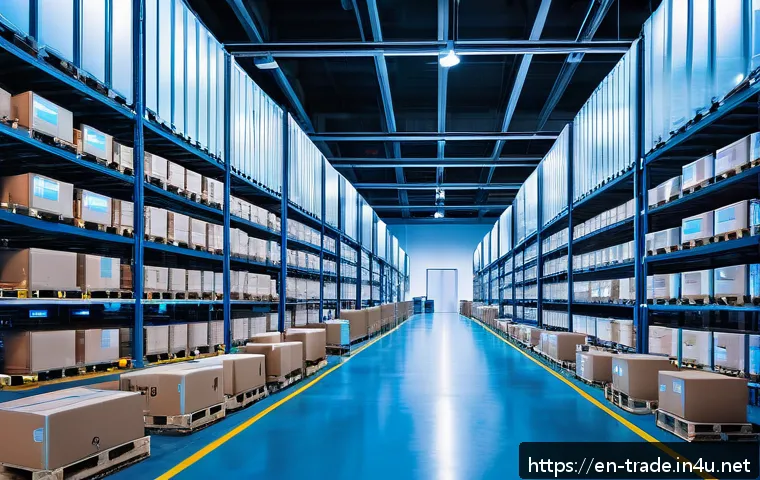
In today’s fast-paced global economy, digital transformation is no longer just a buzzword—it’s reshaping the very core of trade operations. With advancements in AI, blockchain, and IoT accelerating in 2024, businesses are discovering smarter, faster ways to streamline supply chains and enhance transparency.
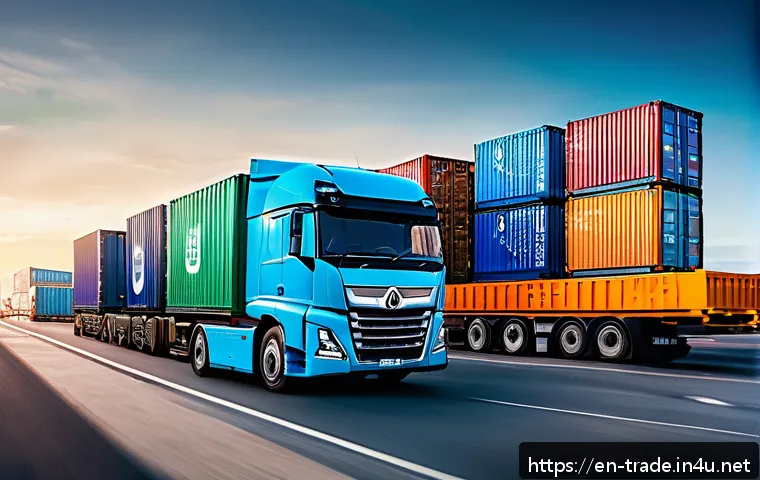
If you’ve ever wondered how technology is tackling the complexities of international trade, you’re in the right place. Let’s dive into how these cutting-edge innovations are turning traditional trade models on their heads, making operations more agile and resilient than ever before.
Stick around—this shift could redefine the future of commerce as we know it.
Revamping Supply Chain Visibility with Smart Technologies
Leveraging IoT for Real-Time Tracking
The integration of IoT devices into supply chains has revolutionized how businesses monitor goods in transit. Sensors attached to shipments provide continuous data on location, temperature, humidity, and even shock exposure.
From personal experience working with logistics teams, this granular visibility reduces costly delays and spoilage, especially for sensitive products like pharmaceuticals or fresh produce.
Instead of relying on periodic manual updates, managers can now make quick decisions based on live insights, optimizing routes or adjusting storage conditions instantly.
This dynamic approach not only enhances operational efficiency but also builds trust with partners and customers who demand transparency.
Blockchain’s Role in Ensuring Transparency and Security
Blockchain technology, with its immutable ledger, is becoming a cornerstone for secure transaction records in international trade. I’ve seen firsthand how companies adopt blockchain to authenticate documents like bills of lading, certificates of origin, and customs declarations.
This tamper-proof record prevents fraud and disputes, accelerating clearance processes at borders. Moreover, it enables all parties—from suppliers to buyers—to access the same verified data without intermediaries.
The result is a smoother, faster flow of goods and payments. For businesses navigating complex regulatory environments, blockchain’s decentralized nature offers peace of mind and compliance ease.
AI-Driven Forecasting and Demand Planning
Artificial intelligence has taken demand forecasting to a new level by analyzing massive datasets that humans simply can’t process efficiently. Drawing from my collaboration with supply chain analysts, AI models predict market trends, seasonal fluctuations, and potential disruptions with remarkable accuracy.
This predictive power helps companies avoid overstocking or stockouts, saving millions annually. AI can also simulate various scenarios—such as supplier failures or transportation strikes—allowing planners to develop contingency strategies ahead of time.
This proactive mindset is a game-changer in maintaining supply chain resilience amid global uncertainties.
Automating Documentation and Compliance Processes
Streamlining Customs Clearance with Digital Tools
Customs procedures have traditionally been a bottleneck due to paperwork complexity and inconsistent regulations across countries. However, digital platforms that automate document submission and validation are now transforming this landscape.
I recall a logistics partner sharing how their clearance times dropped from days to mere hours after adopting automated customs solutions. These platforms integrate with government systems to instantly verify compliance, reducing human error and expediting approvals.
This shift enables businesses to meet tight delivery schedules and avoid costly penalties.
Smart Contracts to Simplify Trade Agreements
Smart contracts—self-executing contracts coded on blockchain—are gaining traction in international trade to automate payments and enforce terms. From my observations, these contracts eliminate the need for manual intervention once predefined conditions like delivery confirmation or quality checks are met.
This automation cuts down administrative overhead and reduces disputes over contract fulfillment. For example, a supplier can receive automatic payment immediately after proof of shipment upload, accelerating cash flow and strengthening supplier relationships.
Centralized Platforms for Regulatory Updates
Keeping track of evolving trade regulations can be overwhelming. I’ve noticed many companies now rely on centralized compliance platforms that aggregate and update regulatory changes in real time.
These platforms provide alerts and actionable guidance, enabling legal and operational teams to stay ahead of new tariffs, sanctions, or documentation requirements.
This proactive compliance reduces the risk of delays or fines and supports smoother cross-border transactions.
Enhancing Collaboration Across the Trade Ecosystem
Cloud-Based Platforms for Unified Communication
In my experience, one of the biggest challenges in global trade is the fragmentation among stakeholders—manufacturers, freight forwarders, customs brokers, and buyers often work in silos.
Cloud-based collaboration platforms break down these barriers by offering shared access to data, chat, and task management in a single interface. This real-time connectivity accelerates decision-making and problem-solving, especially during disruptions.
For instance, if a shipment is delayed, all parties can instantly coordinate alternative plans without endless email chains.
Data Sharing to Build Trust and Efficiency
Transparent data sharing is crucial for fostering trust among trade partners. I’ve seen companies form data-sharing agreements to pool inventory levels, shipment statuses, and demand forecasts.
This openness enables better synchronization and reduces redundant safety stocks, cutting costs. Importantly, when partners share accurate data, they can collectively respond faster to market changes, creating a more agile supply chain network that benefits everyone involved.
Virtual Trade Shows and Networking Tools
With travel restrictions and cost concerns, virtual trade shows have emerged as valuable platforms for connecting buyers, sellers, and service providers globally.
Based on my participation in several events, these digital forums facilitate product demonstrations, contract negotiations, and knowledge exchange without geographical constraints.
They also offer analytics on visitor engagement, helping exhibitors refine their outreach strategies. This shift to virtual networking is expanding access to new markets and partnerships.
Optimizing Transportation and Logistics Through Innovation
Autonomous Vehicles and Drones in Freight Movement
Emerging autonomous technologies are reshaping how goods move across borders and within cities. I recently followed pilot programs deploying driverless trucks on highways and drones for last-mile delivery in urban areas.
These innovations promise to reduce labor costs, increase safety, and speed up deliveries, especially in congested or hard-to-reach regions. While regulatory hurdles remain, early adopters are already gaining competitive advantages by testing these technologies in controlled environments.
Dynamic Route Optimization with AI
AI-powered route optimization tools analyze traffic patterns, weather conditions, and shipment priorities to recommend the most efficient transport paths.
From my observation working with fleet managers, these systems reduce fuel consumption and transit times significantly. For example, rerouting trucks around unexpected road closures or peak traffic can prevent costly delays.
This level of responsiveness improves customer satisfaction and lowers carbon footprints.
Green Logistics for Sustainable Trade
Sustainability is becoming a core consideration in logistics planning. Companies I’ve interacted with are investing in electric vehicles, eco-friendly packaging, and carbon offset programs to reduce environmental impact.
Green logistics not only aligns with regulatory trends and consumer preferences but also opens opportunities for cost savings through energy efficiency.
This shift toward sustainability is turning into a key differentiator in global trade competitiveness.
Data Analytics as the Backbone of Smart Trade Decisions
Integrating Big Data Across Operations
Big data integration across procurement, inventory, transportation, and finance departments provides a holistic view of trade operations. I’ve witnessed organizations consolidating fragmented data sources into centralized analytics platforms, enabling executives to make informed strategic decisions.
This comprehensive insight uncovers hidden inefficiencies and opportunities, such as identifying slow-moving SKUs or underperforming suppliers.
Predictive Maintenance for Critical Equipment
Using data analytics to predict equipment failures before they happen has been a game-changer in logistics hubs and warehouses. For instance, sensors monitoring conveyor belts or forklifts send alerts when abnormal patterns emerge, allowing timely maintenance.
This proactive approach minimizes downtime and keeps operations running smoothly, which is crucial during peak trade seasons.
Customer Insights to Tailor Trade Services
Data analytics also extends to understanding end-customer behavior and preferences. I’ve helped teams analyze purchase patterns and feedback to customize shipping options, packaging, and delivery schedules.
This customer-centric approach drives loyalty and repeat business, enhancing overall trade performance.
Key Technologies Transforming Global Trade Operations
| Technology | Main Benefit | Impact on Trade | Example Use Case |
|---|---|---|---|
| Internet of Things (IoT) | Real-time tracking and monitoring | Improves visibility and reduces spoilage | Sensor-equipped containers for temperature-sensitive goods |
| Blockchain | Secure and transparent record-keeping | Speeds up customs clearance and reduces fraud | Immutable digital bills of lading |
| Artificial Intelligence (AI) | Advanced forecasting and automation | Enhances demand planning and route optimization | Predictive analytics for inventory management |
| Smart Contracts | Automated execution of agreements | Streamlines payments and enforces terms | Auto-release of funds upon shipment confirmation |
| Autonomous Vehicles & Drones | Reduced labor costs and faster deliveries | Improves last-mile logistics and highway freight | Driverless trucks on designated routes |
| Cloud Collaboration Platforms | Unified communication and data sharing | Enhances coordination among stakeholders | Shared dashboards for shipment status updates |
Conclusion
Embracing smart technologies in global trade is no longer optional but essential for staying competitive. From real-time tracking with IoT to AI-driven forecasting and blockchain-based security, these innovations are transforming supply chain visibility and efficiency. Businesses that invest in these tools not only enhance operational agility but also build stronger, more transparent partnerships across the trade ecosystem.
Helpful Information
1. Real-time data from IoT devices helps prevent delays and product spoilage by enabling instant decision-making.
2. Blockchain ensures secure and transparent transactions, reducing fraud and speeding up customs processes.
3. AI improves demand forecasting accuracy, helping companies avoid costly overstocking or shortages.
4. Automated digital tools streamline documentation and compliance, cutting clearance times dramatically.
5. Cloud platforms and data sharing foster collaboration and trust among all trade stakeholders.
Key Takeaways
Smart technologies are revolutionizing global trade by enhancing transparency, security, and efficiency throughout the supply chain. Leveraging IoT, blockchain, AI, and automation not only optimizes logistics but also strengthens compliance and collaboration. Staying ahead means adopting these innovations to create resilient, agile, and customer-focused trade operations that can adapt swiftly to changing market demands and regulations.
Frequently Asked Questions (FAQ) 📖
Q: uestions about Digital Transformation in Global TradeQ1: How is
A: I improving supply chain efficiency in international trade? A1: AI is revolutionizing supply chain management by enabling real-time data analysis, predictive forecasting, and automated decision-making.
From my experience working with companies integrating AI tools, it significantly reduces delays by anticipating disruptions like weather issues or port congestion before they happen.
This proactive approach means businesses can reroute shipments or adjust inventory faster, saving both time and costs. Plus, AI-driven analytics provide deeper insights into supplier performance and demand trends, making the entire supply chain more responsive and agile.
Q: What role does blockchain play in enhancing transparency for global trade transactions?
A: Blockchain offers an immutable and decentralized ledger that records every transaction securely and transparently. In practical terms, this means all parties—from manufacturers to customs officials—can verify product origins, shipment statuses, and compliance certificates instantly.
I’ve seen companies use blockchain to drastically cut down fraud and paperwork errors, which historically caused costly delays. This transparency builds trust among trading partners and regulators, speeding up approvals and fostering smoother cross-border operations.
Q: How does IoT technology contribute to resilience in trade operations?
A: IoT devices, like smart sensors and GPS trackers, provide continuous, real-time monitoring of goods throughout their journey. Personally, I’ve noticed how businesses leveraging IoT gain immediate visibility into shipment conditions such as temperature or humidity, which is critical for perishable goods.
If there’s an unexpected issue, alerts can trigger instant responses to prevent spoilage or damage. This level of control enhances supply chain resilience by reducing risks and improving the ability to adapt quickly when disruptions occur.